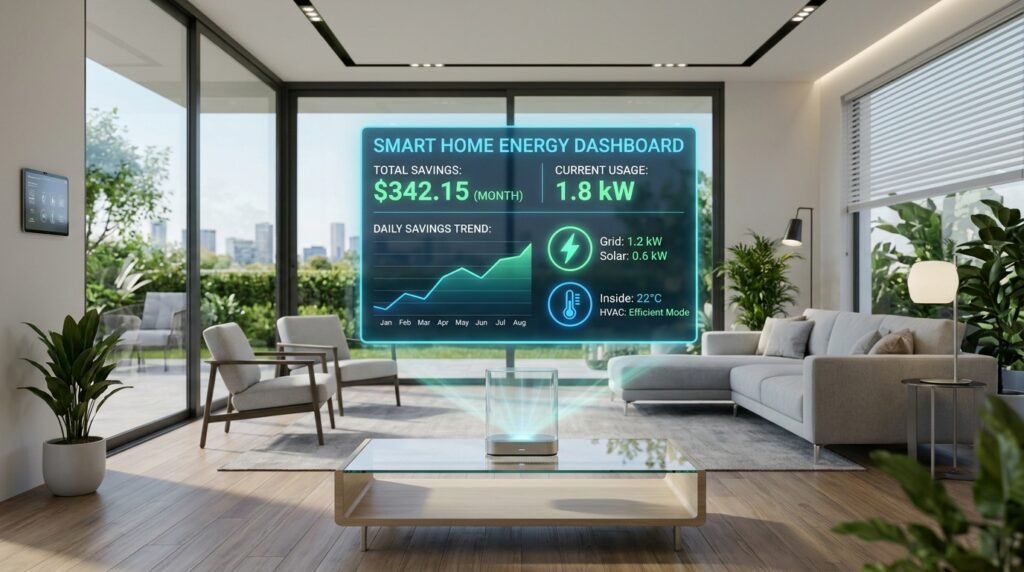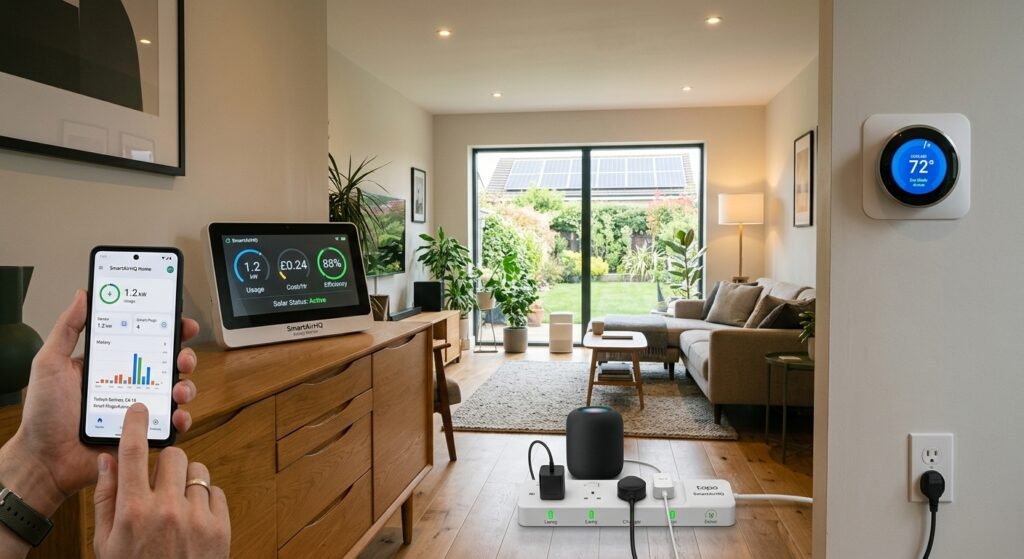
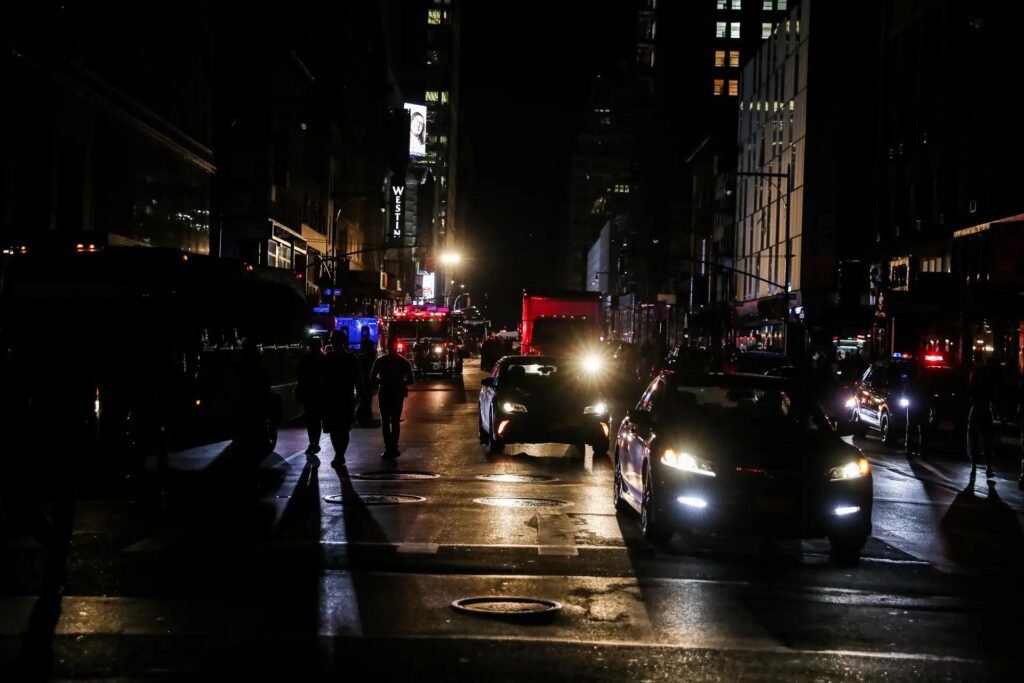
No internet. No ATMs. No traffic lights. Hospitals switching to backup systems. Imagine waking up tomorrow and discovering that electricity has disappeared across the entire world. Could modern society survive 24 hours without power?
What if the world lost electricity for 24 hours? No internet. No ATMs. No traffic lights. Hospitals switching to backup systems. Imagine waking up tomorrow and discovering that electricity has disappeared across the entire world. Could modern society survive one full day without power?
Electricity powers almost every part of modern life, including communication, transportation, banking, healthcare, food distribution and businesses. A worldwide blackout could disrupt these essential services within hours.
What If the World Lost Electricity for 24 Hours? A Timeline of Events
The first few minutes might feel like an ordinary power cut. However, the situation could become increasingly complicated as backup batteries run down, fuel becomes harder to access and connected services begin experiencing interruptions.
Here is a hypothetical timeline of how a worldwide blackout could develop.
The First 24 Hours of a Global Electricity Blackout
| Time without electricity | What could happen |
|---|---|
| First 15 minutes | Lights, electric appliances, traffic signals and many electronic systems stop working. |
| 15 minutes–2 hours | Businesses may close, electronic payments become unavailable and transport systems experience disruption. |
| 2–4 hours | Mobile networks and internet services may become less reliable in affected areas as backup power and network resources are used. |
| 4–8 hours | Some fuel stations, shops and public services may struggle to operate. Water services could experience pressure or supply problems in certain locations. |
| 8–12 hours | Hospitals, care facilities and emergency services may face increasing operational pressure, depending on backup arrangements. |
| 12–24 hours | Food distribution, communication, transportation and essential supply chains could face more serious disruption. |
Important: This is an illustrative scenario, not a guaranteed sequence. Some services have backup generators, batteries or independent systems. Others may fail much sooner, depending on local conditions.
A useful example is the UK’s official guidance for a hypothetical national power outage. It explains that electricity loss could also disrupt mobile and internet communications, water, sewage, fuel and electronic payments. Read the UK government guidance on water and sanitation during a national power outage.
Would the Internet and Mobile Networks Stop Working?
One of the first things people would notice is the loss of normal digital communication.
People use the internet for almost everything: messaging, banking, navigation, entertainment, education, shopping and business operations.
A widespread blackout could affect:
- Home Wi-Fi routers and broadband equipment.
- Mobile network towers and communication facilities.
- Internet service providers and data centres.
- Cloud-based applications and online platforms.
- Digital payment systems and online banking.
However, the internet would not necessarily disappear everywhere at the exact same moment. Some telecommunications infrastructure has backup batteries, generators and alternative power arrangements.
The bigger concern would be how long those backup systems could maintain service.
The US Environmental Protection Agency explains that communications used by water utilities can also become disrupted as batteries and generator fuel run out. This illustrates how one infrastructure failure can affect another. See the EPA guide to telecommunications during power outages.
How a Blackout Could Affect Digital Services
| Digital service | Possible disruption | Why it matters |
|---|---|---|
| Home Wi-Fi | Routers stop without backup power | People lose normal home internet access. |
| Mobile networks | Towers may eventually lose backup power | Calls, messages and mobile data may become unreliable. |
| Data centres | Backup systems support essential operations temporarily | Websites, cloud services and applications may be affected. |
| Online banking | Digital services and network access may be interrupted | Customers may struggle to access accounts. |
| Digital payments | Card terminals and payment networks may become unavailable | Shops may be unable to accept normal electronic payments. |
| GPS navigation | Devices may still calculate location, but network services can be affected | Live traffic and connected navigation features may stop updating. |
The bigger question: If people cannot access their phones, online accounts or digital payment systems, how quickly could everyday activities become difficult?
What Would Happen to Hospitals and Emergency Services?
Hospitals are among the most important facilities during a major electricity emergency.
Medical facilities depend on electricity for lighting, diagnostic equipment, ventilation, communications, refrigeration, electronic records and many essential medical devices.
Most major hospitals have emergency power arrangements designed to support critical services when normal electricity is interrupted. However, backup systems do not necessarily power every part of a facility at full capacity.
During a prolonged blackout, hospitals could face challenges involving:
- Medical equipment and patient monitoring.
- Intensive care and life-support systems.
- Medical imaging and laboratory equipment.
- Refrigerated medicines and medical supplies.
- Elevators, ventilation and building operations.
- Patient registration and communication systems.
Emergency departments could also experience additional pressure if transportation, home medical equipment or communication services are disrupted.
The World Health Organization’s information on electricity in healthcare facilities explains why reliable electricity is essential for lifesaving medical devices, clean water, lighting and essential health services.
Healthcare Services During a 24-Hour Blackout
| Healthcare service | Electricity dependency | Potential impact |
|---|---|---|
| Intensive care units | Medical equipment and monitoring | Backup power becomes critical. |
| Emergency departments | Lighting, equipment and communications | Patient care may become more difficult. |
| Medical laboratories | Testing and diagnostic equipment | Some tests may be delayed. |
| Medicine storage | Refrigeration for temperature-sensitive supplies | Storage conditions require monitoring. |
| Hospital elevators | Electric motors and control systems | Moving patients and supplies may become harder. |
| Digital patient records | Computers and network infrastructure | Staff may need alternative procedures. |
| Ambulance services | Communication, dispatch and vehicle systems | Coordination may become more challenging. |
A 24-hour blackout would not automatically mean hospitals stop treating patients. Their emergency plans are designed to reduce these risks. The concern is that backup capacity, staffing, supplies and the wider emergency response system could all come under pressure at the same time.
What If the World Lost Electricity? Impact on Hospitals and Emergency Services
Hospitals rely on electricity for life-support equipment, medical devices, lighting and emergency operations. Discover how a global blackout could affect healthcare services and patient safety.
Would Cities Run Out of Water?
Many people assume water will continue flowing from their taps even if electricity disappears. In reality, water systems often depend on electrically powered pumps, treatment facilities, monitoring equipment and distribution infrastructure.
Some water systems use gravity and storage reservoirs, allowing supplies to continue for a period without normal electricity. Other systems depend more heavily on pumps.
A widespread blackout could therefore produce different outcomes in different cities.
Possible problems include:
- Reduced water pressure in buildings.
- Disruption to electrically powered pumping stations.
- Problems with wastewater treatment.
- Limited access to water in high-rise buildings.
- Difficulties monitoring water quality and distribution.
Water availability would depend on local infrastructure and backup arrangements.
How Essential Water Services Could Be Affected
| Water-related service | Why electricity matters | Possible result |
|---|---|---|
| Water pumping stations | Pumps move water through distribution networks | Pressure or supply may decrease. |
| Water treatment plants | Electrical equipment supports treatment processes | Treatment operations may be disrupted. |
| High-rise buildings | Some buildings use electric pumps | Upper floors may lose water pressure. |
| Wastewater systems | Pumps and treatment equipment require power | Sewage management may be affected. |
| Industrial water supply | Factories may depend on continuous pumping | Production could be interrupted. |
| Water monitoring | Sensors and communication equipment support monitoring | Operators may need alternative procedures. |
This is why emergency planning includes water storage and alternative supply arrangements. The CDC’s emergency water guidance explains why healthcare facilities need plans for water supply interruptions.
What Would Happen to Food, Supermarkets and Restaurants?
Food supply chains depend on electricity at almost every stage.
Supermarkets use power for lighting, refrigeration, freezers, payment terminals, security systems and inventory management. Restaurants depend on electricity for food preparation, refrigeration, ventilation and cleaning equipment.
A one-day blackout could create several problems:
Supermarkets: Shops may close because electronic payments, security systems and refrigeration become unreliable.
Restaurants: Kitchens may be unable to operate normally, particularly where cooking equipment and ventilation depend on electricity.
Food warehouses: Refrigerated storage facilities could rely on backup generators to protect perishable goods.
Food transportation: Distribution centres and refrigerated vehicles may face operational challenges.
Households: Refrigerators and freezers become important because food safety depends on maintaining safe temperatures.
The CDC advises keeping refrigerator and freezer doors closed during an outage. Its guidance says an unopened refrigerator generally keeps food safe for up to four hours, while a full freezer can maintain safe temperatures for about 48 hours, or 24 hours if half-full.
See the CDC power outage food safety guidance.
Food Storage During a Power Outage
| Food storage situation | General guidance |
|---|---|
| Refrigerator without power | Keep the door closed; food generally stays cold for up to 4 hours. |
| Full freezer | Can generally maintain safe temperatures for about 48 hours if unopened. |
| Half-full freezer | Can generally maintain safe temperatures for about 24 hours if unopened. |
| Meat, poultry and seafood | Follow official food safety guidance and discard unsafe perishable food. |
| Food with ice crystals | It may be safe to refreeze if it still contains ice crystals and remains sufficiently cold. |
| Temperature-sensitive food | Check reliable food safety guidance before eating or storing it. |
These are general food safety guidelines, not a guarantee that every food item remains safe. When in doubt, follow local public health advice.
Would Transportation and Fuel Stations Stop Working?
Modern transportation depends on electricity more than many people realize.
Traffic lights, railway signalling, airport systems, ticketing equipment, tunnels, bridges, electric vehicle charging and fuel pumps all rely on electrical infrastructure in different ways.
A global blackout could create serious challenges for transport networks.
Roads and Traffic
Traffic lights could stop functioning, increasing the risk of congestion and accidents. Drivers would need to treat non-functioning signals as potentially dangerous intersections and follow local road safety instructions.
Railways and Public Transport
Electric trains may stop operating, while stations could experience problems with lighting, ticketing, passenger information and communications. Some systems may have emergency procedures or backup power.
Airports
Airports have backup systems for critical operations, but a widespread electricity failure could disrupt passenger services, baggage handling, communications and ground operations.
Fuel Stations
Many fuel pumps require electricity. Even if fuel is available underground, customers may not be able to purchase it if pumps and payment systems cannot operate.
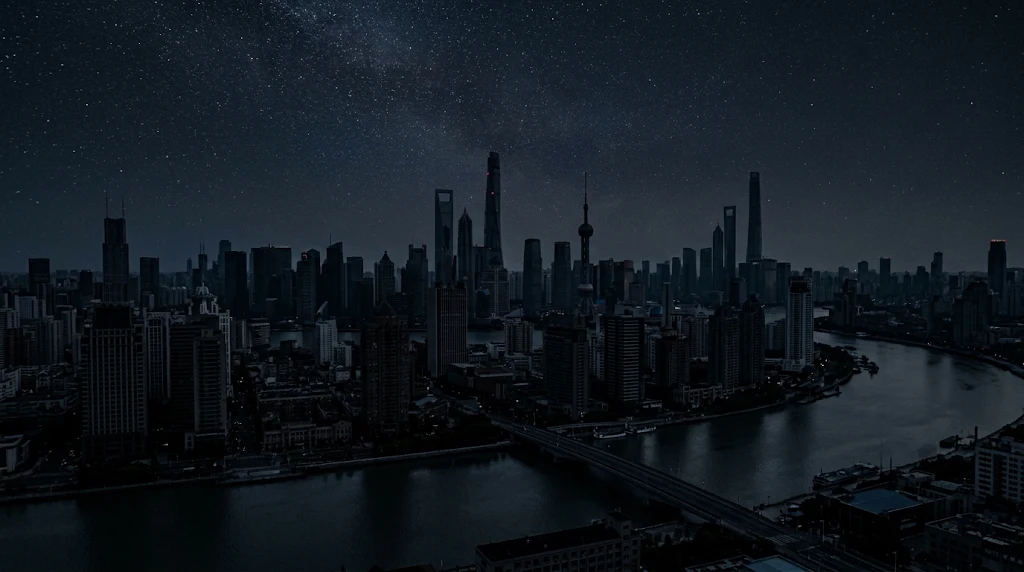
Transportation Systems During a Global Blackout
| Transport system | Electricity-dependent equipment | Possible disruption |
|---|---|---|
| Road networks | Traffic signals and control systems | Congestion and safety concerns |
| Electric railways | Traction power and signalling | Trains may stop or services may be limited. |
| Airports | Ground systems and terminal infrastructure | Delays and operational disruption |
| Fuel stations | Electric pumps and payment terminals | Fuel may be difficult to purchase. |
| Electric vehicles | Charging infrastructure | Normal charging becomes unavailable. |
| Underground transport | Trains, ventilation, lighting and signalling | Operations may be restricted or suspended. |
The effects would vary by transport network, available backup systems and emergency procedures.
How Would Businesses, Banks and the Global Economy Be Affected?
Electricity is essential to modern economic activity.
Banks, factories, offices, retail stores, logistics companies, financial markets and online businesses all rely on dependable power.
During a worldwide blackout, many businesses could temporarily lose the ability to operate normally.
Banks might experience problems with electronic transactions and customer access. Factories could stop production. Retail stores might close. Online businesses could become inaccessible. Companies using cloud-based systems could face interruptions.
A 24-hour interruption would not necessarily destroy the global economy, but it could cause substantial financial losses and create delays that continue after electricity returns.
Some industries would be particularly vulnerable:
- Manufacturing facilities with continuous production processes.
- Cold storage and food distribution businesses.
- Financial institutions and payment processors.
- Data centres and telecommunications companies.
- Hospitals, pharmaceutical facilities and laboratories.
- Airports, ports and international logistics providers.
There is also an important difference between losing electricity and losing the ability to recover. Businesses with tested backup procedures, offline records, emergency communications and continuity plans may be better positioned to resume operations.
What Could People Use to Prepare for a 24-Hour Blackout?
A worldwide blackout is an extreme hypothetical scenario, but local power outages can happen because of storms, equipment failures, extreme temperatures and other emergencies.
Households do not need to buy expensive equipment to prepare for basic disruptions. A few practical supplies can make a difference.
Here are seven useful emergency-preparedness product categories. These are optional examples, not a guarantee of protection during a major blackout.
1. Emergency Hand-Crank Radio – Stay Informed Without the Internet
A battery-powered or hand-crank emergency radio can help people receive public information when internet access and mobile networks are unavailable. Look for a model with reliable reception, simple controls and a suitable power option.
Tune In When Networks Go Quiet
🛒 Explore Emergency Hand-Crank Radios on Amazon.
2. Rechargeable LED Lantern – Light Up Your Home Safely
A rechargeable LED lantern can provide room lighting without relying on candles. Check its battery capacity, charging options, brightness levels and runtime before purchasing.
Bring Reliable Light Into the Room
🔦 Find Rechargeable Emergency LED Lanterns on Amazon
3. LED Emergency Flashlight – Keep a Portable Light Nearby
A compact flashlight is useful when moving around a dark home, checking outdoor areas or finding emergency supplies. Consider a durable design with replaceable or rechargeable batteries.
Keep a Beam Ready for Emergencies
✨ Shop Emergency LED Flashlights on Amazon
4. Portable Power Bank – Keep Essential Devices Charged
A power bank can help keep a phone or other small USB-powered device running during a temporary outage. Check its actual capacity, charging speed, output ports and airline or transport restrictions where relevant.
Give Your Phone a Backup Power Source
⚡ Check High-Capacity Portable Power Banks on Amazon
5. Rechargeable Batteries and Charger – Prepare for Battery-Powered Equipment
Rechargeable batteries can support compatible flashlights, radios and other small devices. Make sure the battery type matches your equipment and follow the manufacturer’s charging and storage instructions.
Build a Ready-to-Use Battery Supply
🔋 Explore Rechargeable Batteries and Chargers on Amazon
6. First Aid Kit – Be Ready for Minor Emergencies
A well-organized first aid kit can help households respond to minor injuries when access to shops or medical services is limited. Check expiry dates and include any essential personal supplies recommended by a healthcare professional.
Keep Basic First Aid Within Reach
🩹 Find Home Emergency First Aid Kits on Amazon.
7. Portable Water Filter – Support Emergency Water Planning
A suitable portable water filter may help treat certain types of water, depending on its certified capabilities. Not every filter removes viruses, chemicals or dissolved contaminants, so check the manufacturer’s specifications and local public health advice.
Add a Water-Treatment Option to Your Emergency Kit
💧 Explore Portable Emergency Water Filters on Amazon.
Affiliate disclosure: As an Amazon Associate, SmartAirHQ earns from qualifying purchases. Product links may earn us a commission at no additional cost to you. Always compare specifications, suitability and safety instructions before purchasing.
How Can Households and Communities Prepare Before Electricity Disappears?
Emergency preparation is not only about buying equipment. It is also about knowing what to do when normal services are unavailable.
Households, businesses, schools and public institutions can all improve their readiness with simple planning.
Household Preparation
- Keep drinking water and non-perishable food available.
- Store flashlights, spare batteries and a battery-powered radio.
- Keep phones and backup batteries charged when severe weather is expected.
- Save important phone numbers on paper.
- Know how to access essential medication and medical supplies.
- Make a plan for family members who depend on powered medical equipment.
- Keep refrigerator and freezer doors closed during an outage.
Business Preparation
Businesses can prepare by maintaining emergency contact lists, protecting essential data, documenting manual operating procedures and testing backup power arrangements.
Facilities that depend on refrigeration, communications, security systems or continuous production should identify which operations need priority support.
Community Preparation
Communities can identify emergency shelters, support vulnerable residents, communicate through alternative channels and coordinate with local emergency services.
The Tennessee Emergency Management Agency’s critical infrastructure guidance provides practical preparation advice, including storing supplies, planning for medical needs and using generators safely.
Generator safety matters: Never operate a fuel-powered generator inside a home, garage or enclosed space. Keep it outdoors and away from windows and doors, following the manufacturer’s instructions and local safety guidance. Carbon monoxide can be deadly.
Could Better Electricity Infrastructure Prevent a Future Crisis?
A major blackout demonstrates why electricity reliability is not simply about generating enough power. Modern society also needs resilient transmission networks, distribution systems, communications, backup arrangements and effective emergency planning.
Several areas can help improve resilience:
Grid maintenance: Regular inspection, upgrades and replacement of ageing equipment can reduce some infrastructure risks.
Backup power: Critical facilities need suitable backup arrangements, fuel planning and regular testing.
Distributed energy resources: Local energy resources can support resilience when they are designed and configured to operate during grid interruptions. For a deeper explanation of how connected local energy resources can coordinate, read our Virtual Power Plant guide.
Renewable electricity: Wind and other renewable sources can contribute to electricity generation, but producing electricity does not automatically mean a system can operate independently during a blackout. Grid connection, storage, controls and system design all matter. Learn more in our guide to wind turbines and clean energy.
Emergency communication: Public authorities and utilities need alternative ways to share information when normal internet and mobile services are disrupted.
Coordination: Electricity providers, hospitals, water utilities, transport operators and governments need plans for situations where several services are affected simultaneously.
The goal is not to guarantee that blackouts can never happen. It is to reduce the impact, protect essential services and restore electricity safely.
Could Modern Society Really Survive 24 Hours Without Electricity?
The answer is yes, but it would be extremely challenging.
Modern society has emergency plans, backup generators, batteries, alternative communication systems and trained response teams. These systems are designed to keep essential services operating when normal electricity supplies fail.
However, a worldwide blackout would be different from a power cut affecting one town or region. Neighbouring areas could not simply provide electricity to one another if the entire world had lost its normal supply at the same time.
Hospitals, water utilities, communication networks, transport operators and businesses would all face simultaneous challenges.
Some people might barely notice the first few minutes. Others, particularly those who depend on powered medical equipment, could face immediate risks. As the hours passed, the availability of water, food, transport, information and essential services could become increasingly important.
The biggest lesson is that electricity is not just a convenience. It is one of the foundations of modern society.
Frequently Asked Questions
1. What would happen if the entire world lost electricity for 24 hours?
A global blackout could disrupt communications, transport, banking, water distribution, healthcare, food supply and business operations. The severity would depend on backup systems, local infrastructure and emergency planning.
2. Would the internet stop working during a global blackout?
Internet access could become widely disrupted as routers, network equipment, data centres and telecommunications facilities lose normal power. Backup systems may keep some services operating temporarily.
3. Would hospitals still work without electricity?
Many hospitals have backup generators and emergency procedures for critical services. However, a prolonged and widespread blackout could place medical equipment, communications, staffing and supplies under pressure.
4. Would people be able to withdraw cash from ATMs?
Many ATMs depend on electricity and communication networks. If both are unavailable, normal cash withdrawals may not work.
5. Would water stop flowing during a power outage?
Not necessarily. Some water systems use gravity-fed supplies and storage reservoirs, while others depend heavily on electric pumps. The impact varies by location and infrastructure.
6. How long can food stay safe in a refrigerator without power?
The CDC generally advises that an unopened refrigerator keeps food safe for up to four hours. A full freezer can generally maintain safe temperatures for about 48 hours, or 24 hours if half-full.
7. What should every household keep ready for a blackout?
Useful basics include drinking water, non-perishable food, flashlights, spare batteries, a radio, a first aid kit, essential medicines and a charged power bank. Households should also plan for medical devices and other specific needs.
Final Thoughts
A world without electricity for 24 hours would reveal just how dependent modern life has become on reliable power.
From hospitals and water supplies to banking, transport, food distribution and internet access, electricity supports systems that most people rarely think about.
A single blackout would be difficult. A worldwide blackout would test the resilience of nearly every part of modern society.
The important question is not simply whether we could survive one day without electricity. It is whether our homes, businesses, communities and institutions are prepared for the unexpected.
If electricity disappeared tomorrow, would your household be ready for the first 24 hours?