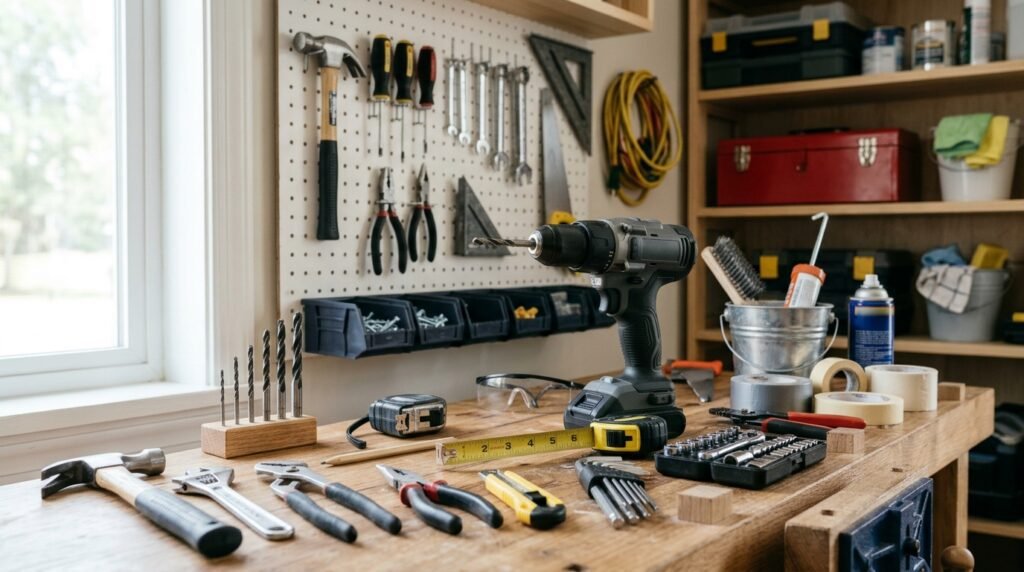

Discover how to fix common gutter problems with simple DIY solutions. Learn to repair leaking seams, sagging gutters, blocked downspouts and overflowing sections. Find the right tools, prevent water damage and keep your home’s drainage system working efficiently with practical maintenance tips.
Small Gutter Problems Can Lead to Expensive Home Damage
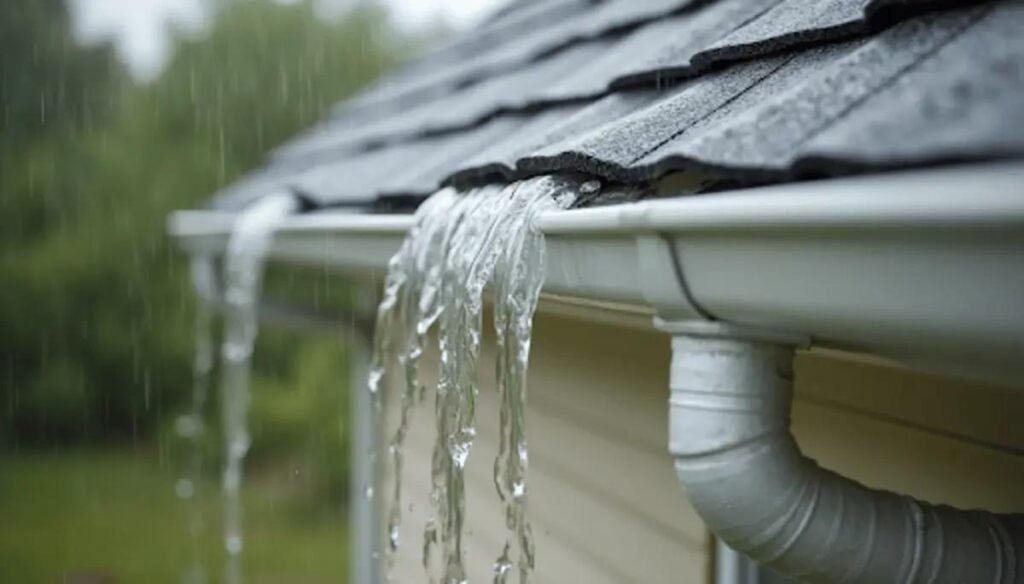
Have you noticed water dripping from your gutters, overflowing during heavy rain, or collecting near your home’s foundation? These warning signs might look minor, but ignoring them can lead to damaged siding, roof edges, landscaping, basement moisture and expensive structural repairs.
Your gutter system has one important job: collect rainwater from the roof and direct it safely away from your home. When even one section becomes blocked, loose, cracked or incorrectly positioned, the entire drainage system can stop working properly.
The good news is that many common gutter problems can be identified and repaired without replacing the entire system. With the right tools, suitable materials and a little patience, homeowners can often handle minor leaks, loose brackets, small holes and disconnected downspouts themselves.
This complete gutter repair guide explains nine common problems, their causes, practical DIY solutions, essential tools, maintenance tips and situations where professional help is the safer option.
Whether you live in the USA, UK, Canada, Australia or Europe, these troubleshooting methods can help you maintain a more reliable rainwater drainage system.
Amazon Affiliate Disclosure: As an Amazon Associate, SmartAirHQ earns from qualifying purchases. This article may contain affiliate links, meaning we may earn a commission from qualifying purchases at no additional cost to you.
Why Proper Gutter Maintenance Matters
Gutters are more than simple channels attached to your roof. They are part of your home’s moisture-management system.
During rainfall, water travels from the roof into the gutters, moves toward the outlets and flows down through downspouts. If the system is blocked or damaged, water may spill over the edges or drain too close to the foundation.
This can contribute to:
- Water stains on exterior walls.
- Rotting fascia boards and roof edges.
- Soil erosion around the property.
- Basement dampness and moisture problems.
- Damaged garden beds and landscaping.
- Ice buildup during freezing weather.
- Pest and insect activity in standing debris.
The Canada Mortgage and Housing Corporation’s home maintenance guidance for eavestroughs highlights issues such as blocked outlets, disconnected downspouts, loose supports and poorly sloped gutters.
A simple inspection twice a year can help identify these problems before they become expensive repairs.
Nine Common Gutter Problems and How to Fix Them
Let’s look at the most frequent rain gutter problems, how to recognize them and what you can do to correct them.
Problem 1:Leaking Gutter Seams and Joints
Common signs:
- Water dripping from gutter connections.
- Wet marks beneath joints.
- Water escaping from corners during rainfall.
- Rust or corrosion around older connections.
Gutter sections are often connected through seams, joints or corner pieces. Over time, sealant can deteriorate because of temperature changes, weather exposure, movement and age.
How to fix leaking gutter seams:
- Wait until the weather is dry.
- Remove leaves, dirt and loose debris from the affected section.
- Remove old, loose or damaged sealant.
- Clean and dry the joint thoroughly.
- Apply a compatible exterior-grade gutter sealant according to its manufacturer’s instructions.
- Allow the sealant to cure for the recommended time.
- Test the repaired section with a controlled flow of water.
Avoid applying new sealant over wet, dirty or loose material. It may not bond properly and the leak could return.
Which sealant should you use?
The best choice depends on the gutter material, the size of the gap and the manufacturer’s compatibility instructions.
Give leaking joints a fresh start: 🛒 Explore gutter sealants on Amazon
Problem 2: Sagging Gutters
Common signs:
- Gutter sections appear lower in the middle.
- Water collects instead of flowing toward the outlet.
- The gutter pulls away from the fascia.
- Brackets or hangers look loose.
Sagging gutters often result from loose fasteners, damaged hangers, excessive debris, standing water or inadequate support.
How to repair sagging gutters:
- Inspect the entire affected section from a safe position.
- Identify loose, broken or missing hangers.
- Remove debris and standing water.
- Replace damaged brackets with compatible gutter hangers.
- Tighten suitable fasteners into sound supporting material.
- Check the gutter alignment and drainage slope.
- Test the flow with water after the repair.
If the fascia board is rotten or the gutter has pulled away significantly, simply tightening the brackets will not solve the underlying problem. Repairing the supporting wood or replacing the affected section may be necessary.
Restore proper support: ⭐ Find replacement gutter hangers and brackets on Amazon
Problem 3: Gutters Overflowing During Rain
Common signs:
- Water spills over the front edge.
- Water pours from corners during heavy rain.
- Rainwater runs down exterior walls.
- The gutter overflows even when it appears relatively clean.
Overflow does not always mean the gutter is broken. It can happen because of clogged outlets, insufficient downspout capacity, incorrect slope, undersized gutters or unusually heavy rainfall.
How to fix overflowing gutters:
- Remove leaves, twigs and accumulated dirt.
- Check whether the downspout opening is blocked.
- Flush the gutter and downspout with water.
- Look for low sections where water remains trapped.
- Inspect corners and roof valleys where large volumes of water enter.
- Check whether the gutter and downspout sizes are suitable for the roof area.
- Consider professional assessment if overflow continues despite cleaning.
If your gutters repeatedly overflow during storms, increasing drainage capacity may be more effective than repeatedly applying sealant or installing additional guards.
Problem 4: Loose or Broken Gutter Brackets
Common signs:
- Gutter sections move when touched.
- Screws or spikes have come loose.
- Brackets are bent or broken.
- Gutters separate from the fascia board.
Gutter brackets hold the system in position. When they fail, the gutter can sag, become misaligned or eventually detach.
How to repair gutter brackets:
- Check which brackets are loose or damaged.
- Support the gutter before removing any fasteners.
- Remove damaged brackets carefully.
- Inspect the fascia for rot or splitting.
- Install compatible replacement hangers.
- Use suitable corrosion-resistant fasteners.
- Check the alignment and stability of the gutter.
Do not simply drive longer screws into damaged wood. The supporting material must be strong enough to hold the gutter securely.
For more general DIY equipment guidance, see our best home maintenance tools guide.
Problem 5: Small Holes, Cracks and Rusted Gutter Sections
Common signs:
- Small water droplets appear underneath the gutter.
- Rust spots develop on metal sections.
- Cracks become visible around joints.
- Water leaks through damaged areas.
Small holes can sometimes be repaired, but widespread corrosion, severe cracking or distorted gutter sections may require replacement.
How to repair small gutter holes:
- Clean the damaged area.
- Remove loose rust, dirt and flaking material.
- Allow the surface to dry completely.
- Apply a repair product compatible with the gutter material.
- Use a suitable patch where the manufacturer’s instructions recommend one.
- Allow the repair to cure fully.
- Test the section with water.
Do not assume every sealant works with every gutter material. Check product compatibility before applying it.
For stubborn leaks and small cracks: 🔧 Discover gutter repair tape options on Amazon
Problem 6: Disconnected, Leaking or Blocked Downspouts
Common signs:
- Water spills from downspout connections.
- A downspout hangs away from the wall.
- Water does not drain from the outlet.
- Water collects near the foundation.
- The lower downspout section is crushed or disconnected.
Downspouts carry water from the gutters toward a suitable drainage area. A blockage or loose connection can interrupt the entire system.
How to repair downspout problems:
- Check the gutter outlet for debris.
- Inspect the downspout joints and elbows.
- Flush the downspout with a garden hose.
- If necessary, disconnect an accessible section to remove a blockage.
- Replace crushed or badly damaged sections.
- Reconnect loose joints using compatible connectors and fasteners.
- Secure the downspout with suitable wall straps.
- Check that water drains away from the building.
The Canada Mortgage and Housing Corporation’s home maintenance guide recommends checking downspout attachments, straps, leaks and extensions.
Important: Never direct roof runoff toward a neighboring property or an area where water can flow back toward your foundation. Local drainage regulations may also apply.
Problem 7: Leaking Gutter End Caps
Common signs:
- Water escapes from the closed end of the gutter.
- Dripping appears near the corners.
- Sealant looks cracked or separated.
- Water stains develop below the end cap.
End caps close the ends of gutter sections. If their seal becomes damaged, rainwater can escape instead of flowing toward the downspout.
How to repair leaking end caps:
- Clean the end-cap area.
- Remove old loose sealant.
- Check whether the end cap is still firmly attached.
- Replace damaged or badly distorted end caps.
- Apply compatible gutter sealant to the clean, dry connection.
- Allow sufficient curing time.
- Test the repair using a controlled flow of water.
If the metal itself is badly corroded or the end cap no longer fits correctly, replacement is usually more reliable than repeatedly applying sealant.
Problem 8: Standing Water and Incorrect Gutter Slope
Common signs:
- Water remains in the gutter after rainfall.
- Dirt accumulates in low areas.
- Some sections appear lower than others.
- Mosquitoes or other insects become noticeable around stagnant water.
Gutters need an appropriate slope so water can move toward the outlet. A reverse slope or low section can cause water to collect.
How to correct gutter slope:
- Clean the entire gutter.
- Check the direction of water flow.
- Identify areas where water remains.
- Inspect the brackets and hangers supporting those sections.
- Adjust the affected support points where appropriate.
- Confirm that the gutter directs water toward its outlet.
- Flush the system to verify drainage.
The U.S. Department of Energy’s Building America Solution Center gutter and downspout maintenance guide explains proper gutter slope, drainage and downspout installation to help prevent water from collecting near the foundation. Building America Solution Center.
Avoid guessing the required slope. Gutter systems and manufacturer instructions can vary, so follow the specifications for your installation.
Problem 9: Gutters Pulling Away From the House
Common signs:
- A visible gap appears between the gutter and fascia.
- Sections hang below the roofline.
- Fasteners repeatedly loosen.
- Water runs behind the gutter.
This problem may be caused by deteriorated fascia boards, damaged brackets, poor installation, heavy debris or accumulated ice.
How to repair detached gutters:
- Inspect the gutter and supporting fascia.
- Remove debris and reduce unnecessary weight.
- Check whether the fascia is rotten or damaged.
- Replace damaged supporting wood where necessary.
- Install compatible gutter hangers and fasteners.
- Reposition the gutter correctly.
- Check the drainage slope and test the system.
If a large section is detached, the roof edge is damaged or the gutter is difficult to reach safely, hire a qualified professional rather than attempting a risky repair.
Quick Comparison: Common Gutter Problems, Causes and Solutions
The following table helps you identify a problem before choosing a repair method.
| Gutter problem | Common cause | Recommended solution |
|---|---|---|
| Leaking seams | Failed sealant | Clean, dry and reseal |
| Sagging gutters | Loose hangers | Replace or secure supports |
| Overflowing gutters | Debris or insufficient capacity | Clean and inspect drainage |
| Broken brackets | Damaged fasteners | Install compatible hangers |
| Small holes | Corrosion or impact | Apply a compatible patch |
| Blocked downspouts | Leaves and debris | Flush or clear blockage |
| Leaking end caps | Failed connection seal | Reseal or replace cap |
| Standing water | Incorrect slope | Adjust supports and alignment |
| Detached gutters | Weak fascia or loose fasteners | Repair support and refasten |
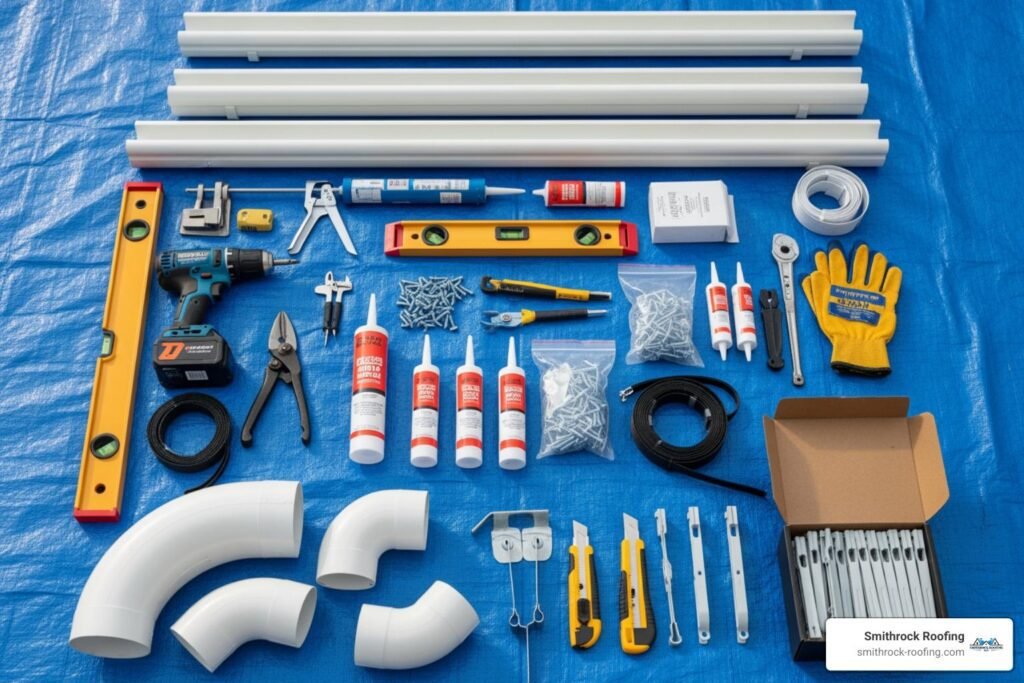
Essential Tools and Materials for DIY Gutter Repair
Having the correct equipment makes gutter maintenance easier and helps avoid unnecessary damage.
You do not need every tool for every repair. Choose equipment based on the material, location and severity of the problem.
| Tool or material | Main purpose | Useful for |
|---|---|---|
| Work gloves | Protect hands | Cleaning and inspection |
| Safety glasses | Protect eyes | Removing debris |
| Gutter scoop | Remove leaves and dirt | Blocked gutters |
| Garden hose | Test drainage | Overflow and blockages |
| Gutter sealant | Seal compatible joints | Small leaks |
| Screwdriver or drill | Tighten suitable fasteners | Loose brackets |
| Replacement hangers | Support gutter sections | Sagging gutters |
| Spirit level | Check alignment | Standing water |
| Ladder stabilizer | Improve ladder positioning | Safe access where appropriate |
A suitable cordless drill can be helpful when replacing compatible gutter fasteners. Check out our cordless power drill buying guide before choosing equipment for general home repairs.
Make debris removal easier: 🧤 Check out gutter cleaning scoops on Amazon
Which Gutter Repair Materials Should You Choose?
Different gutter materials require different repair products. Aluminum, vinyl, steel and copper gutters do not necessarily respond to the same sealants, fasteners or patches.
| Gutter material | Common repair requirement | What to check |
|---|---|---|
| Aluminum | Compatible gutter sealant or patch | Metal compatibility |
| Vinyl | Compatible replacement connectors or repair products | Material compatibility |
| Galvanized steel | Corrosion treatment and suitable sealant | Rust condition |
| Copper | Compatible copper repair components | Metal compatibility |
| Mixed-material systems | Manufacturer-approved connectors | Chemical and material compatibility |
Before buying anything, identify your gutter material and inspect the damaged area. A product that works on one type of gutter may fail on another.
How to Repair Gutter Screws and Loose Fasteners
Loose or missing screws can cause gutters to move, sag or separate at their joints.
Follow these basic steps:
- Identify the loose or missing fastener.
- Check the supporting material for damage.
- Remove unsuitable or corroded fasteners.
- Select a compatible replacement screw.
- Position the bracket correctly.
- Tighten the fastener without overtightening.
- Inspect the connection for movement.
Avoid using excessively long screws that could interfere with the gutter’s water channel.
Secure the connection properly: 🛠️ Browse gutter repair screws on Amazon.
DIY Gutter Repair vs. Professional Gutter Repair
Not every gutter problem should be treated as a DIY project. Some repairs are relatively simple, while others involve roof access, structural damage or difficult working conditions.
| Repair task | DIY suitability | When to call a professional |
|---|---|---|
| Cleaning accessible gutters | Often suitable | Unsafe or difficult access |
| Sealing a small seam leak | Often suitable | Widespread leaking |
| Replacing a loose bracket | Sometimes suitable | Damaged fascia |
| Clearing an accessible downspout | Often suitable | Underground drainage blockage |
| Repairing small holes | Sometimes suitable | Extensive corrosion |
| Correcting gutter slope | Depends on access and condition | Large or complex sections |
| Replacing detached gutters | Usually requires assessment | Significant detachment |
| Repairing roof-edge damage | Not recommended for inexperienced DIYers | Structural or roofing damage |
A professional assessment is particularly important when the gutter is attached to rotten wood, the roof edge is damaged or the system repeatedly fails after repairs.
How to Check Gutter Alignment and Drainage
A gutter can look perfectly fine from the ground and still have drainage problems.
A spirit level and a controlled water test can help identify low areas and incorrect alignment.
Basic inspection process:
- Check the gutter line visually from a safe location.
- Look for visible dips, twists and loose sections.
- Check the brackets and supporting fascia.
- Use a suitable level where safe and accessible.
- Confirm that the gutter directs water toward the downspout.
- Run water through the system.
- Observe whether water drains freely or remains in low areas.
A spirit level can help you assess alignment during accessible repairs.
Get a clearer view of gutter alignment: 📏 Explore spirit levels for DIY repairs on Amazon
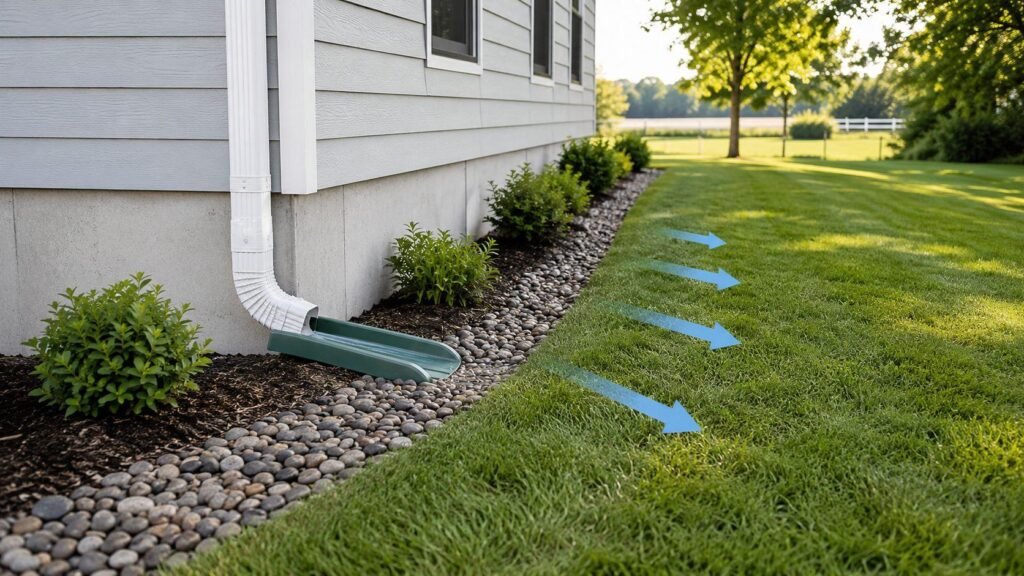
How to Improve Downspout Drainage Around Your Home
Even perfectly maintained gutters can cause problems if water is discharged too close to the house.
Downspout extensions help carry roof runoff toward a suitable drainage area. Depending on your property, you may also need a splash block or an approved drainage connection.
Simple ways to improve drainage:
- Secure all downspout connections.
- Clear debris from elbows and outlets.
- Replace crushed or damaged sections.
- Use suitable extensions to direct water away.
- Check the ground slope around the discharge area.
- Make sure water does not collect against the foundation.
- Follow local drainage and stormwater requirements.
Direct rainwater where it belongs: 🏡 Find downspout extensions on Amazon.
Common Gutter Repair Mistakes to Avoid
A repair can fail quickly if the underlying cause is ignored.
Here are some mistakes homeowners should avoid:
- Applying sealant over wet or dirty surfaces.
- Using incompatible repair products.
- Tightening brackets into rotten fascia.
- Ignoring blocked downspouts.
- Installing replacement brackets without checking alignment.
- Treating every overflow problem as a leak.
- Leaving standing water inside the gutter.
- Using a gutter as a ladder support.
- Ignoring repeated leaks after temporary repairs.
- Directing downspout water toward the foundation.
The most effective repair addresses the actual cause rather than simply hiding the visible symptom.
Gutter Maintenance Schedule: What Should You Check?
Regular inspection helps prevent many common gutter problems. The frequency depends on your local weather, nearby trees, roof design and the amount of debris your property receives.
| Maintenance task | Suggested frequency | Why it matters |
|---|---|---|
| Remove leaves and debris | At least twice a year | Prevents blockages |
| Inspect seams and end caps | Spring and autumn | Identifies leaks |
| Check brackets and hangers | Twice a year | Prevents sagging |
| Inspect downspout connections | Twice a year | Maintains drainage |
| Check after severe storms | After major events | Finds storm damage |
| Inspect for ice-related damage | After freezing periods | Identifies winter damage |
| Test drainage with water | During maintenance checks | Confirms water flow |
The Canadian government’s guidance on eavestroughs and downspouts recommends checking and cleaning these systems at least twice a year, with additional checks after severe weather or when ice buildup occurs.
Homes surrounded by trees may need more frequent cleaning.
When Should You Replace Your Gutters Instead of Repairing Them?
Repairing a gutter is often more economical than replacing an entire system. However, repeated repairs may not be worthwhile when the material or supporting structure has deteriorated significantly.
Consider professional assessment or replacement when:
- Large sections have extensive corrosion.
- Multiple joints repeatedly leak.
- Gutters are badly distorted.
- The supporting fascia is severely damaged.
- Sections repeatedly detach.
- The system cannot handle normal rainfall despite being clean.
- Repairs are becoming frequent and expensive.
A professional can assess whether replacing one section or upgrading the entire drainage system is the more practical long-term option.
Seasonal Gutter Protection Tips
Different seasons create different challenges for gutter systems.
Spring: Remove winter debris, inspect loose brackets and check for damage caused by freezing temperatures.
Summer: Check for storm damage, inspect seams and ensure downspouts are clear.
Autumn: Remove fallen leaves and check outlets before heavy seasonal rainfall.
Winter: Watch for ice buildup, avoid unsafe roof access and arrange professional help when ice or snow creates a serious drainage problem.
Do not attempt to break heavy ice from gutters while standing on an unstable ladder or roof.
Frequently Asked Questions About Gutter Repair
1. Can I repair leaking gutters myself?
Yes. Small leaks around compatible gutter seams and joints can often be repaired by cleaning, drying and applying suitable gutter sealant. Extensive corrosion or structural damage requires professional assessment.
2. What is the best way to seal a leaking gutter?
Clean the affected area, remove loose old sealant, allow the surface to dry and apply a compatible gutter sealant according to its instructions.
3. Why do gutters overflow even when they are clean?
Possible causes include blocked outlets, insufficient downspout capacity, incorrect slope, undersized gutters or heavy rainfall that exceeds the system’s capacity.
4. How do I fix sagging gutters?
Inspect the hangers and supporting fascia. Replace broken brackets, secure loose fasteners and correct the alignment. If the fascia is rotten, repair the supporting material first.
5. How often should gutters be cleaned?
At least twice a year is a useful starting point. Properties surrounded by trees or exposed to heavy storms may require more frequent cleaning.
6. Can gutter repair tape stop leaks?
Some repair tapes may work for certain small repairs, depending on the gutter material and product instructions. They are not a reliable solution for every type of damage.
7. Why is water collecting inside my gutters?
Standing water may indicate incorrect slope, sagging sections, a blocked outlet or poorly positioned supports.
8. How can I stop downspout water from reaching my foundation?
Use a suitable extension or approved drainage arrangement to direct water toward a safe discharge area. Ensure the ground slopes away from the building.
9. When should I hire a professional for gutter repair?
Hire a professional for significant detachment, damaged fascia, extensive corrosion, difficult roof access, structural damage or repairs that repeatedly fail.
10. Are gutter guards enough to prevent all blockages?
No. Gutter guards can reduce debris entering the system, but they do not eliminate maintenance. Fine debris, roof granules and other material can still accumulate.
Final Thoughts: Fix Small Gutter Problems Before They Become Expensive
Gutters play an important role in protecting your roofline, exterior walls, landscaping and foundation from uncontrolled rainwater.
Fortunately, many common problems can be identified early. Small leaks, loose brackets, blocked downspouts and minor drainage issues may be manageable with suitable tools and careful repairs.
The key is to identify the actual cause, use materials compatible with your gutter system and test the repair before considering the job complete.
Make gutter inspection part of your regular home maintenance routine, especially before periods of heavy rainfall and after severe weather.
If a gutter is badly detached, the supporting fascia is damaged or the repair requires unsafe roof access, contact a qualified professional.
A little preventive maintenance today can help protect your home from much bigger water-related problems tomorrow.