
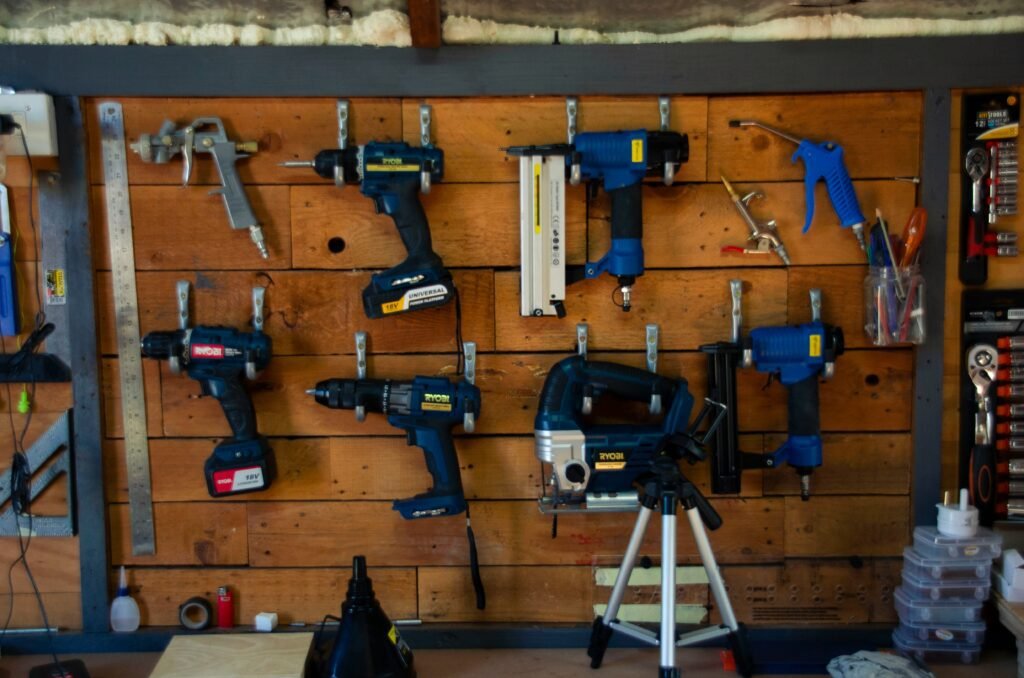
Why You Need Professional Lighting and Electrical Tools
INTRO:
Every homeowner knows that dealing with wiring or light fixtures can be daunting. Having the best lighting and electrical tools in your collection ensures that you can handle minor repairs safely without always relying on a professional contractor. Investing in high-quality gear not only saves you money in the long run but also provides peace of mind when performing DIY electrical maintenance.
“Whether you are a beginner or a pro, having the best lighting and electrical tools makes every repair task much simpler and faster
Key Benefits of Using Professional Electrical Tools:
Enhanced Safety: Quality tools are designed with insulation to protect you from accidental electrical shocks.
Increased Precision: Specialized tools allow for accurate wiring connections, reducing the risk of fire hazards caused by loose ends.
Time Efficiency: Having the right tool for the job saves you hours of frustration compared to using improvised manual tools.
Long-Term Savings: Investing in durable tools means you won’t need to replace them frequently and can avoid professional repair costs for minor issues.
Heavy-Duty Extension Cord(https://amzn.to/4wo4fsb)
Magnetic Tool Tray:(https://amzn.to/4hnES4Y)
Top 7 Must-Have Lighting and Electrical Tools:
To get started with your home maintenance, here are 7 essential tools that every DIY enthusiast should own:
Non-Contact Voltage Tester: A must-have for safety to ensure circuits are off before you touch wires. [https://amzn.to/4hkILYr]
Professional Digital Multimeter: Essential for measuring voltage, current, and resistance accurately. [https://amzn.to/3RH7rjw]
Insulated Screwdriver Set: Prevents accidental shocks while working on electrical panels. [https://amzn.to/4fcRryQ]
Wire Strippers and Cutters: Allows for precise work when preparing wires for new light fixtures. [https://amzn.to/4wQJtBl]
LED Headlamp: Provides hands-free, bright light for working in dark crawlspaces or attics. [https://amzn.to/4yxkwMY]
Electrical Tape Assortment: Necessary for securing connections and ensuring insulation. [https://amzn.to/4fJjJB8]
Cable Fish Tape: Makes running new wires through walls or ceilings much easier. [https://amzn.to/3Taho9C]
Safety Tips for Using Electrical Tools
When using the best lighting and electrical tools, always remember these safety rules:
Always turn off the main power at the circuit breaker before starting any work.
Wear rubber-soled shoes to provide an extra layer of insulation.
Inspect your tools regularly for any cracks in the handles or frayed cords.
Conclusion: Start Building Your Electrical Repair Kit Today
Equipping your home with these reliable tools will empower you to manage your home’s upkeep with confidence. By choosing the right gear, you ensure that your living space remains functional, safe, and efficient for years to come.
“To explore broader automation ideas beyond lighting, head over to our main guide on: [https://smartairhq.com/category/smart-energy/]”
“When you compare different brands, you will realize that the best lighting and electrical tools offer better durability and precision for delicate wiring work.”
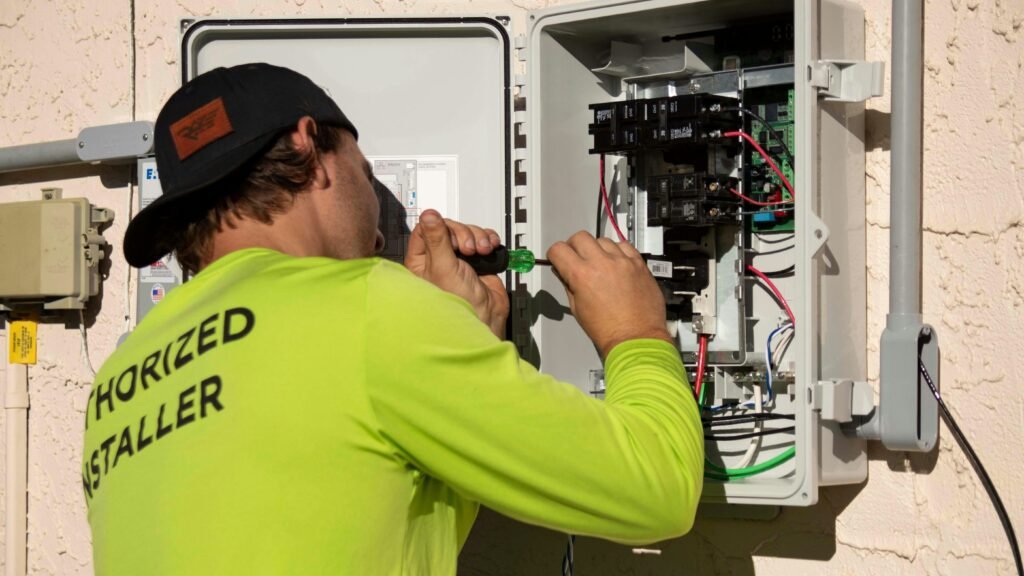
Conclusion: Start Building Your Electrical Repair Kit Today
Equipping your home with the best lighting and electrical tools will empower you to manage your home’s electrical upkeep with confidence and precision. By choosing the right gear, you ensure that your living space remains functional, safe, and efficient for years to come.
Remember, while DIY repairs are great for minor fixes, always prioritize your safety and call a professional if you encounter complex wiring issues. Start building your ultimate electrical toolkit today and take control of your home maintenance!
Remember, your safety starts with your equipment, which is why investing in the best lighting and electrical tools is a smart move for every homeowner.”
Frequently Asked Questions (FAQs)
Q1: Is it safe for beginners to perform electrical repairs at home?
Yes, for minor tasks like changing a light fixture or outlet. However, always ensure the main power is turned off at the breaker and use a voltage tester to verify the circuit is dead before starting.
Q2: What is the most important tool for electrical safety?
A Non-Contact Voltage Tester is the most critical tool, as it tells you instantly if a wire is live or safe to touch without requiring direct contact with the copper.
Q3: Can I use regular screwdrivers for electrical work?
It is highly recommended to use VDE-rated or insulated screwdrivers. Regular screwdrivers do not provide the safety barrier needed to prevent electrical shocks.
Q4: How often should I inspect my electrical tools?
You should inspect your tools before every use. Look for frayed cords, cracked handles, or any signs of wear and tear that might compromise your safety