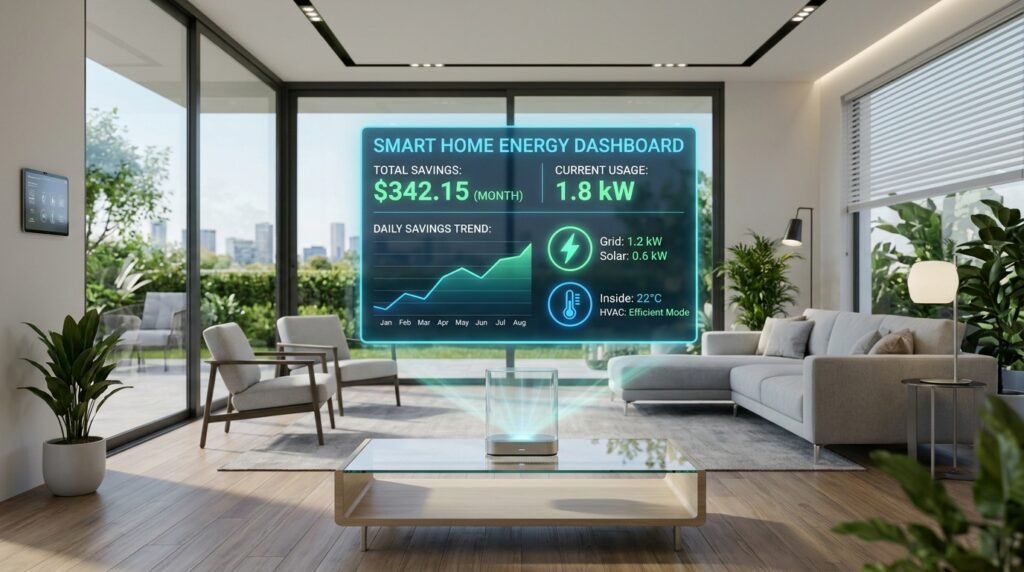
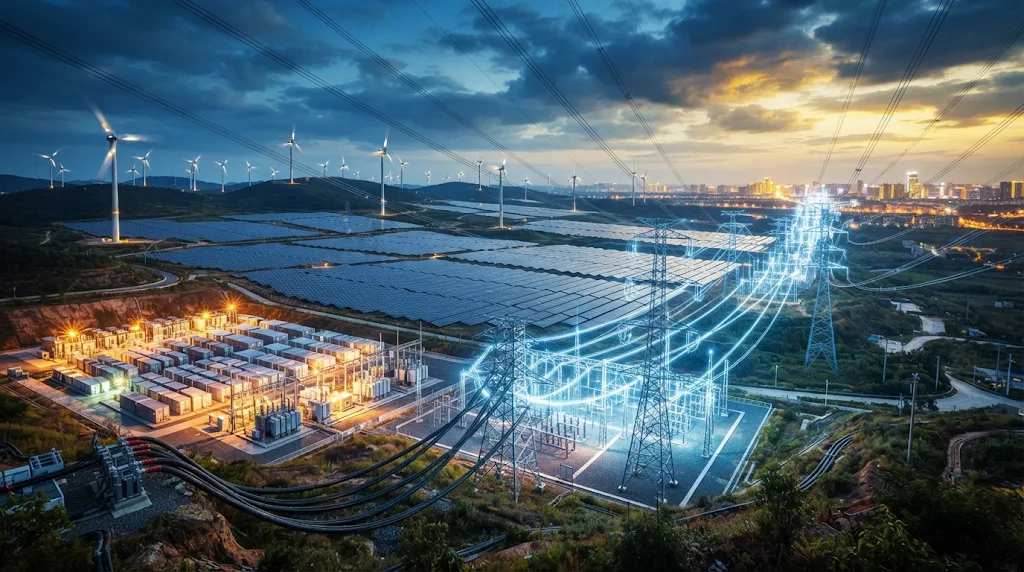
What happens when a country has too much electricity? Producing more electricity than homes, businesses and industries can consume creates a challenge for the national power grid. This situation can occur when solar farms and wind turbines generate more power than consumers need. Countries must find ways to store, export or use the extra electricity while maintaining grid stability.
Why Does a Country Have Too Much Electricity?
Having too much electricity can happen when power generation exceeds consumer demand. Strong sunshine, high wind speeds, low electricity consumption and limited transmission capacity can all contribute to this situation. Grid operators must balance electricity supply and demand to prevent operational problems.
What Happens When a Country Has Too Much Electricity?
Understanding what happens when a country has too much electricity helps explain why modern power grids need better storage, transmission and demand management.
Imagine a country generating more electricity than homes, businesses, factories, and transport systems can use. Solar farms are producing power in bright sunshine, wind turbines are spinning strongly, and electricity demand is relatively low. Where does all that extra electricity go?
This situation is known as surplus electricity or excess electricity generation. It can happen when renewable energy production rises faster than demand, when weather conditions create unusually high output, or when electricity use falls during weekends, holidays, or mild-weather periods.
But electricity is not like water that can simply be poured into a giant storage tank. Power grids must continuously balance electricity supply and demand. If generation exceeds what the system can absorb, grid operators need to respond quickly.
They can store the electricity, send it to another region, encourage consumers to use more power, reduce generation, or temporarily switch off some renewable energy production.
Understanding what happens to surplus electricity reveals an important part of the energy transition: producing clean electricity is only one challenge. Countries also need the infrastructure, storage, transmission, and flexible demand to use it effectively.
Why Does a Country Produce More Electricity Than It Needs?
Electricity oversupply can occur for several reasons. It does not necessarily mean a country has built too many power stations. Sometimes the problem is timing: electricity is being generated when demand is low, even though the same country may need more power several hours later.
Solar and wind generation are particularly dependent on weather conditions. A sunny, windy day can produce a large amount of renewable electricity, while household and industrial demand may remain relatively modest.
High solar and wind generation
Solar panels can generate substantial electricity during sunny daytime hours. Wind farms may also produce strongly when wind conditions are favorable. If both resources generate heavily at the same time, their combined output can exceed local demand.
This is especially challenging in electricity systems where renewable generation is growing faster than transmission capacity, storage, and flexible consumption.
Low electricity demand
Electricity use changes throughout the day and across seasons. Demand can fall overnight, during weekends, public holidays, or periods of mild weather.
A country might therefore have abundant electricity at midday but experience much higher demand in the evening when people return home, switch on appliances, and use heating or cooling systems.
Power stations cannot always reduce output immediately
Some generators are technically or economically difficult to ramp down quickly. Their operating requirements, minimum stable output, contractual commitments, or other system services can limit how much production can be reduced.
When these generators continue producing while renewable output is high and demand is low, the system has fewer options for absorbing the extra electricity.
Transmission bottlenecks
Electricity may be abundant in one region but difficult to deliver to another. Transmission lines have physical limits, and local network congestion can prevent power from reaching consumers who need it.
For example, a windy region may generate more electricity than its local population can use, while a distant city has substantial demand but insufficient transmission capacity to receive all the available power.
Main reasons electricity supply can exceed demand
| Cause | What happens | Why it creates oversupply |
|---|---|---|
| Strong sunshine | Solar farms produce high output | Generation rises during daylight |
| High wind speeds | Wind turbines generate more electricity | Output can exceed local demand |
| Low demand | Homes and businesses use less power | Consumption falls below expected levels |
| Inflexible generation | Some power stations cannot reduce output quickly | Existing generation remains online |
| Transmission congestion | Electricity cannot move freely between regions | Local supply becomes greater than local demand |
| Seasonal patterns | Renewable output and consumption change with seasons | Supply and demand may not match in time |
Why Can’t a Country Simply Keep All Its Extra Electricity?
The electricity grid is a connected system that must remain balanced in real time. Electricity is generated, transmitted, and consumed continuously, and the system needs to maintain the correct operating conditions.
A country cannot simply allow unlimited extra electricity to flow into the grid. Too much generation relative to demand can push system frequency and voltage away from their required operating ranges, creating problems for equipment and grid stability.
Grid operators use forecasting, generator controls, reserves, storage, demand response, and other balancing services to keep the system operating safely.
Electricity must be balanced continuously
In a simplified power system, electricity supply needs to match electricity demand, including the energy required to cover network losses.
If demand rises unexpectedly, operators need additional generation, imports, or stored electricity. If supply becomes excessive, they need to reduce generation, increase consumption, export power, or store the surplus where possible.
The grid has physical limits
Transmission lines, transformers, substations, and distribution networks can carry only limited amounts of electricity. Even if a country has enough total demand, the network may not be able to move power from the generation area to the consumption area.
Extra electricity can create local problems
A large amount of distributed solar generation in an area with low local consumption can cause reverse power flows, voltage-management challenges, or congestion. These are among the issues highlighted in the International Energy Agency’s discussion of electricity-system flexibility and periods of high renewable generation.
The solution is not simply to build more generation. Countries also need networks and operating systems capable of managing when and where electricity is produced.
What Do Power Companies Do With Surplus Electricity?
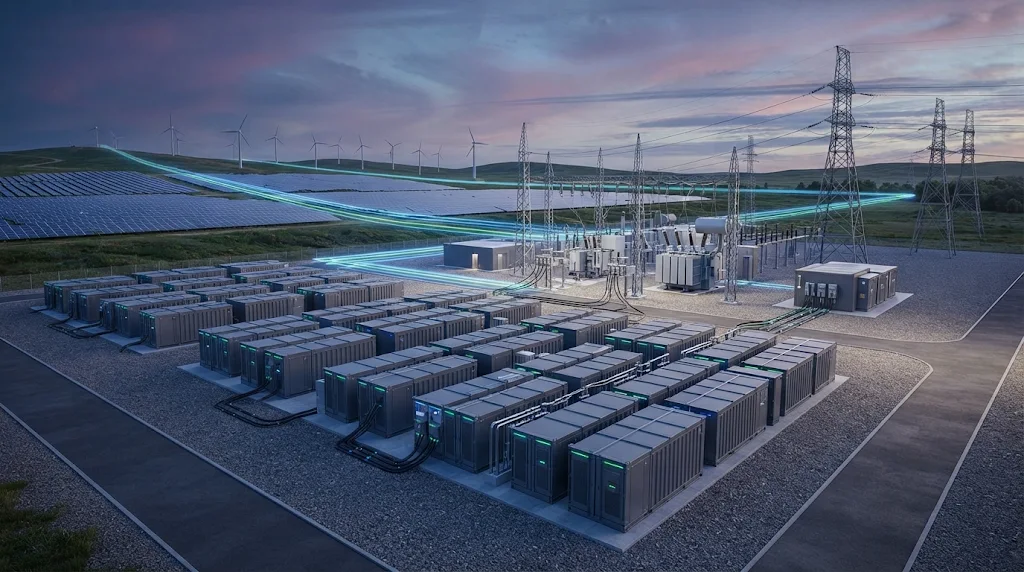
Grid operators and electricity companies have several ways to manage excess generation. The best response depends on how much electricity is available, how long the surplus is expected to last, the condition of the grid, and the cost of different options.
Some solutions move electricity through time, while others move it between locations or adjust generation and consumption.
Eight ways countries manage excess electricity
| Method | What happens to the extra electricity | Main benefit | Main limitation |
|---|---|---|---|
| Battery storage | Electricity is stored and used later | Shifts energy to higher-demand periods | Cost, capacity and storage duration |
| Pumped-storage hydropower | Water is pumped uphill for later generation | Can store large amounts of energy | Requires suitable geography and infrastructure |
| Electricity exports | Surplus power is sent to another market | Uses demand outside the local area | Depends on interconnectors and neighboring demand |
| Demand response | Consumers shift electricity use to surplus periods | Turns flexible demand into a resource | Requires suitable equipment and participation |
| Flexible generation | Other generators reduce output | Creates room for surplus renewable power | Some generators have technical limits |
| Renewable curtailment | Wind or solar output is temporarily reduced | Helps protect grid operation | Available clean energy is not generated |
| Thermal or other energy conversion | Electricity is converted into another energy form | Can serve industrial or heating needs | Conversion losses and infrastructure costs |
| New flexible loads | Electricity is used for EV charging, heating, or industrial processes | Creates additional demand when power is abundant | Loads must be controllable and useful |
These methods are not mutually exclusive. A grid may use batteries, exports, flexible demand, and generator adjustments at the same time.
Can Surplus Electricity Be Stored in Batteries?
Yes. Batteries are among the most important technologies for managing short-term electricity oversupply.
When a country has too much electricity during sunny or windy periods, grid-scale batteries can store some of the available power for later use.
When renewable generation is high and demand is low, a battery system can absorb electricity. Later, when demand rises or solar and wind output falls, the stored energy can be released back into the grid.
This is called energy shifting: electricity is moved from a period when it is abundant to a period when it is more valuable or needed.
How grid-scale battery storage works
A grid-connected battery system generally follows a straightforward process:
- Electricity is available from the grid.
- A battery system charges using that electricity.
- The stored energy remains available for later use.
- When required, the battery discharges electricity through power-conversion equipment.
- The electricity returns to the grid and helps meet demand.
Batteries are useful because they can respond quickly. However, they do not store every unit of electricity without loss. Charging, storing, and discharging energy involves conversion losses, and the system has limits on its power output, energy capacity, and operating life.
Different types of energy storage
| Storage technology | How it works | Typical role | Important consideration |
|---|---|---|---|
| Lithium-ion batteries | Store electricity through electrochemical reactions | Short-duration grid balancing and daily energy shifting | Cost, degradation and materials |
| Flow batteries | Store energy in liquid electrolytes | Potential longer-duration stationary storage | System cost and project design |
| Pumped hydro | Moves water between reservoirs at different elevations | Large-scale energy storage | Geography and construction |
| Thermal storage | Stores energy as heat or cold | Heating, cooling and industrial use | Best suited to compatible energy demands |
| Hydrogen | Uses electricity to produce hydrogen through electrolysis | Potential longer-duration storage and industrial fuel | Conversion losses and infrastructure |
| Compressed-air storage | Uses electricity to compress air for later energy recovery | Long-duration storage in suitable locations | Site requirements and system efficiency |
Why batteries cannot solve every oversupply problem
A battery can absorb only as much electricity as its charging power and available capacity allow. Once it is full, it cannot continue absorbing surplus energy unless it can discharge or additional storage is available.
A country experiencing several hours of surplus generation may benefit from batteries. A country facing a prolonged seasonal mismatch may need a wider combination of storage, transmission, flexible generation, and demand management.
How Does Pumped-Storage Hydropower Use Extra Electricity?
Pumped-storage hydropower is a large-scale method of storing energy using water and elevation.
When electricity is abundant, pumps move water from a lower reservoir to a higher reservoir. When electricity demand increases, the stored water is released through turbines to generate electricity.
In simple terms, the system uses extra electricity to move water uphill and later uses the water’s stored gravitational potential energy to generate power.
How the process works
- Surplus electricity powers large pumps.
- Water moves from a lower reservoir to an upper reservoir.
- The water remains stored until electricity is needed.
- Water flows downhill through turbines.
- The turbines drive generators and produce electricity.
Pumped storage can support large power systems because it can provide substantial energy storage and respond to changing electricity needs. However, suitable sites, environmental considerations, construction costs, and water-management requirements influence where it can be developed.
It also uses more electricity to pump water uphill than it later returns as electricity. It is an energy-storage system, not a way to create additional energy.
Can Countries Export Their Extra Electricity?
Yes. If one country or region has more electricity than it needs, it may export that electricity to a neighboring market.
Countries experiencing too much electricity can sometimes export their excess generation to neighboring electricity markets
This is possible when transmission interconnectors link the electricity systems and the receiving market has demand or a reason to import power.
For example, a region with strong wind generation may have more electricity than local consumers can use. If a neighboring region needs power and sufficient transmission capacity is available, electricity can flow across the connection.
How electricity exports work
| Stage | What happens | Why it matters |
|---|---|---|
| 1. Surplus develops | Local generation exceeds local requirements | Extra electricity becomes available |
| 2. Grid conditions are checked | Operators assess network capacity and system security | Exports must remain within safe limits |
| 3. Market trading takes place | Electricity is offered to neighboring markets | Buyers can access available supply |
| 4. Interconnectors transmit power | Electricity flows across connected networks | Surplus reaches another region |
| 5. Importing region uses the power | Consumers receive electricity through their grid | Available generation is used instead of curtailed |
Why exports are not always possible
Electricity exports depend on more than whether another country needs power. Transmission capacity, market rules, congestion, commercial agreements, and grid stability all matter.
A country may have abundant renewable generation but limited cross-border transmission capacity. In that situation, some electricity may still need to be curtailed even when a neighboring market could use additional power.
Why Do Electricity Prices Sometimes Become Negative?
One surprising result of electricity oversupply is that wholesale electricity prices can fall below zero.
Negative wholesale prices can occur when electricity generation is abundant, demand is relatively low, and some generators have limited ability or incentive to reduce their output. In certain market conditions, a generator may be willing to pay to keep producing or to avoid the cost of shutting down and restarting.
Negative prices are a market signal. They can indicate that the electricity system needs more flexibility, storage, transmission, or demand that can respond to changing supply.
The IEA reports that negative wholesale electricity prices became more common across many markets in 2025, while also highlighting the role of storage and more responsive supply and demand in reducing such occurrences in some markets. See its 2026 electricity-market price analysis.
What causes negative electricity prices?
| Factor | Explanation | Possible market effect |
|---|---|---|
| High renewable output | Solar and wind generation are abundant | More electricity is offered into the market |
| Low demand | Consumers need less electricity at that time | Available supply exceeds demand |
| Inflexible generators | Some plants cannot easily reduce production | Too much generation remains online |
| Limited storage | Not enough batteries or other storage can absorb the surplus | More electricity competes for immediate use |
| Transmission congestion | Power cannot reach another market | Local oversupply becomes more severe |
| Market rules and contracts | Generator incentives may affect operating decisions | Some plants may continue producing at low or negative prices |
Do negative electricity prices mean households get paid to use electricity?
Not necessarily.
Negative prices usually refer to wholesale electricity-market prices, not the final price paid by a household. Retail bills can include network charges, taxes, supplier costs, fixed fees, and other components.
Some consumers on dynamic or time-of-use tariffs may benefit from very low prices during surplus periods, but the effect depends on their contract, meter, location, and tariff rules.
Can Homes and Businesses Use Electricity When It Is Abundant?
Yes. Flexible electricity demand is an important way to manage surplus power.
Instead of storing every extra unit or reducing generation, a power system can encourage certain activities to happen when electricity is abundant. This is known as demand response or demand-side flexibility.
For example, an electric vehicle may be charged during a period of strong solar generation rather than during the evening peak. A building may pre-cool during a low-price period, or an industrial facility may move a flexible process to a time when electricity is plentiful.
Examples of flexible electricity demand
| Flexible activity | When it can use surplus power | Potential benefit |
|---|---|---|
| EV charging | During high solar or wind output | Moves charging away from peak periods |
| Water heating | When electricity supply is abundant | Stores useful heat for later |
| Building heating or cooling | Before a predicted demand peak | Uses thermal storage in buildings |
| Industrial processes | During low-price or high-supply periods | Shifts flexible production |
| Battery charging | During periods of excess generation | Stores electricity for later |
| Commercial refrigeration | When equipment can safely pre-cool | Shifts some electricity demand |
| Smart appliances | During scheduled low-cost periods | Makes household consumption more flexible |
Not every activity can be moved freely. Food safety, comfort, production schedules, equipment limits, and consumer preferences still matter. The objective is to shift flexible demand without reducing the quality or reliability of the service.
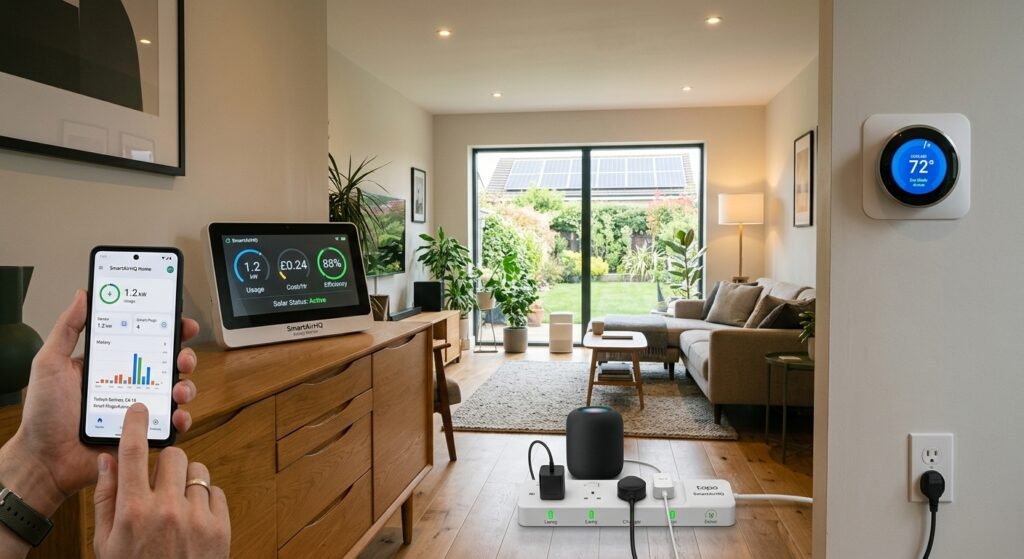
For homeowners interested in understanding and managing their own electricity use, SmartAirHQ’s guide to smart energy-saving devices for the home explains technologies such as smart plugs, energy monitors, and smart thermostats.
Can Surplus Electricity Be Converted Into Hydrogen?
Another option is to use surplus electricity to produce hydrogen through electrolysis.
An electrolyser uses electricity to split water into hydrogen and oxygen. The hydrogen can then be stored and used in suitable industrial processes, transport applications, or energy systems.
This is sometimes called power-to-hydrogen.
How electricity becomes hydrogen
- An electrolyser receives electricity.
- Electricity powers the electrochemical process.
- Water is separated into hydrogen and oxygen.
- Hydrogen is processed and stored.
- The hydrogen is transported or used in a suitable application.
Hydrogen can help connect electricity systems with industries that need energy in other forms. It may also provide a way to store energy for longer periods in some applications.
However, hydrogen production, compression, storage, transportation, and later conversion all require energy and infrastructure. Using electricity directly is generally more efficient when the end use can be powered directly.
Hydrogen is therefore not a universal answer to electricity oversupply. It is most useful where there is a real demand for hydrogen or where other storage and energy options are less suitable.
What Happens When Surplus Electricity Cannot Be Stored, Exported, or Used?
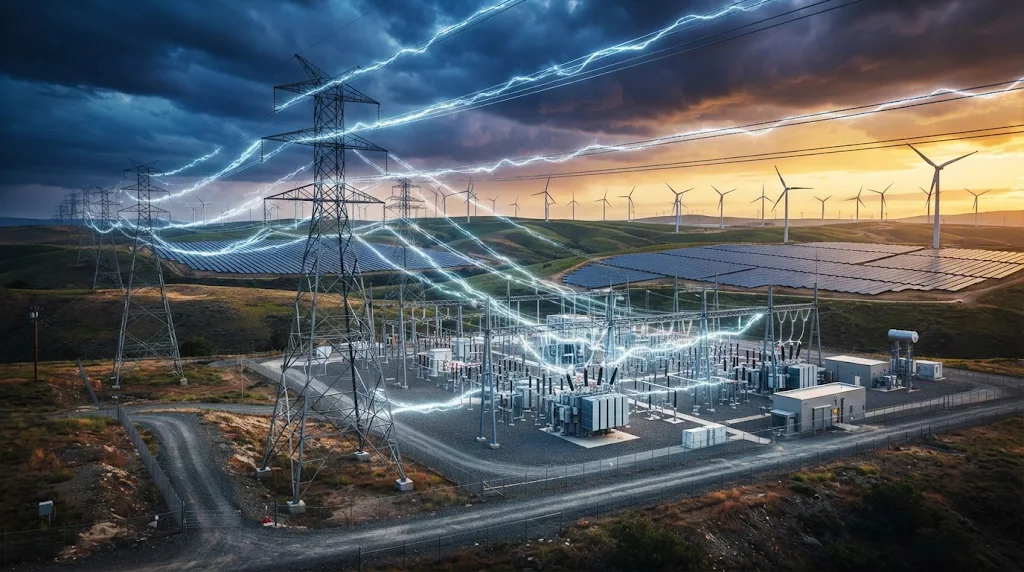
Sometimes the grid has no practical way to absorb all available electricity. Storage may be full or unavailable, transmission lines may be congested, and consumers may not be able to shift enough demand.
In that situation, grid operators may instruct certain generators to reduce their output. This is known as electricity curtailment.
Renewable energy curtailment means that a wind farm or solar facility is capable of producing electricity but is instructed to generate less than it could under the available weather conditions.
Why renewable electricity is curtailed
- Local electricity demand is too low.
- Storage capacity is insufficient or already full.
- Transmission lines are congested.
- The grid needs to maintain safe operating conditions.
- Other generators cannot reduce output quickly enough.
- Electricity exports are limited by interconnector capacity.
Does curtailment mean renewable energy is wasted?
It means some electricity that could have been generated is not produced or delivered. The wind or sunlight is still available, but the grid cannot use all the potential output at that moment.
Curtailment can be a sensible operational decision when it is necessary to maintain grid security. However, persistently high curtailment can indicate that a power system needs better transmission, storage, demand flexibility, or market arrangements.
Does Electricity Oversupply Mean a Country Has Solved Its Energy Problems?
No. Producing more electricity than demand at certain times does not mean electricity will always be available when and where it is needed.
A country can experience surplus generation in the afternoon and still face a shortage during an evening peak, a cold winter period, or a heatwave.
This is why electricity systems need to consider both energy and capacity. Energy describes how much electricity is produced over time, while capacity describes how much power can be supplied at a particular moment.
Surplus electricity versus electricity shortage
| Feature | Surplus electricity | Electricity shortage |
|---|---|---|
| Supply and demand | Available supply exceeds demand | Demand exceeds available supply |
| Common conditions | High renewable output and low demand | Peak demand, outages or low generation |
| Grid response | Store, export, shift demand or curtail | Increase generation, import or discharge storage |
| Market signal | Prices may become very low or negative | Prices may rise |
| Main challenge | Finding a useful place or time for excess power | Securing enough power for consumers |
| Possible long-term solution | More flexibility, storage and transmission | More reliable capacity, networks and demand management |
A reliable electricity system must be prepared for both situations. A country needs enough dependable power for periods of high demand and enough flexibility to manage periods of abundant generation.
How Can Countries Reduce Electricity Oversupply in the Future?
There is no single technology that can solve electricity oversupply everywhere. The most effective strategy combines several approaches based on local geography, generation mix, electricity demand, market structure, and available infrastructure.
Build more electricity storage
Grid batteries, pumped-storage hydropower, and other storage technologies can move electricity from periods of abundance to periods of higher demand.
Upgrade transmission networks
New transmission lines and stronger interconnections can move electricity from regions with excess generation to regions that need more power.
Encourage flexible electricity use
Smart charging, industrial demand response, thermal storage, and flexible building systems can help consumption respond to changing supply.
Improve forecasting and grid management
Better weather forecasts, demand forecasts, and grid-control systems help operators prepare for periods when renewable generation is expected to be unusually high or low.
Develop markets that reward flexibility
Electricity pricing and market arrangements can encourage storage, flexible consumption, and generators that can respond to changing system conditions.
Use renewable energy intelligently
Solar and wind generation can be integrated more effectively when projects are planned alongside transmission, storage, and local demand. Curtailment controls may still be necessary at times, but a flexible system can make better use of available clean electricity.
What Can Homeowners Do When Electricity Is Abundant?
Households cannot solve national grid-balancing problems on their own, but they can benefit from understanding when electricity is available and how their own consumption works.
If a utility offers time-of-use pricing or a dynamic electricity tariff, households may be able to move certain activities to lower-cost periods. The opportunities depend on local tariffs, available equipment, and the consumer’s ability to shift demand.
For practical ways to manage household electricity consumption, see SmartAirHQ’s guide on how to reduce electricity use.
Seven useful product categories to explore
These products do not store or manage national grid surplus by themselves. They can, however, help households monitor consumption, control flexible loads, or use electricity more strategically.
1. Energy-monitoring smart plugs
Measure the electricity used by compatible plug-in appliances and help identify when devices are consuming power.
✨ Explore energy-monitoring smart plugs on Amazon
2. Whole-home energy monitors
Show household electricity consumption and, depending on the system, help identify major circuits and usage patterns.
🔎 Find whole-home energy monitors on Amazon
3. Smart thermostats
Help manage heating and cooling schedules. In suitable homes and with appropriate tariffs, heating or cooling can sometimes be shifted to more favorable periods.
🏠 Discover smart thermostats on Amazon
4. Smart EV chargers
Some compatible EV chargers support scheduled or managed charging, allowing vehicle charging to take place at selected times.
⚡ Compare smart EV chargers on Amazon
5. Portable power stations
Portable battery systems can store electricity for later use in compatible applications. They are not automatically equivalent to a grid-connected home battery and should not be connected to a home electrical system without a compatible, approved setup.
🔋 Browse portable power stations on Amazon
6. Smart power strips
Help control groups of compatible electronics and can make it easier to switch off equipment that does not need to remain powered.
🛒 Explore smart power strips on Amazon
7. Home battery storage systems
A compatible home battery can store electricity from an approved source, such as rooftop solar or a suitable grid connection, and provide it later according to the system’s configuration and local rules. Installation, grid-interconnection approval, and compatibility need to be checked carefully.
🔋 Explore home battery storage options on Amazon
Affiliate disclosure: SmartAirHQ is an Amazon Associate and may earn from qualifying purchases. If you buy through the Amazon links in this article, we may receive a commission at no additional cost to you. Product availability, prices, specifications, regional compatibility, and seller information can change. Always check the manufacturer’s details and local electrical requirements before purchasing.
The Future of Electricity: From Producing More to Using It Better
The future of electricity is not simply about building more power stations. Countries need to make sure electricity can be delivered, stored, and consumed at the right time.
As solar and wind generation expand, power systems will need more flexible resources. Batteries can shift energy across hours, pumped storage can support large-scale balancing, interconnectors can move electricity between regions, and flexible demand can help consumers use power when it is abundant.
The IEA’s Electricity 2026 flexibility analysis discusses how storage, flexible demand, and improved grid operation are becoming increasingly important as electricity systems change.
Wind generation also plays a major role in this transition. To understand how wind power is produced and delivered, read SmartAirHQ’s guide to how wind turbines generate clean electricity.
The larger opportunity is to build an electricity system that can respond intelligently to changing weather, demand, and market conditions. A country that can manage surplus electricity effectively can make better use of its generation resources and reduce the amount of available clean energy that goes unused.
Frequently Asked Questions
What happens when a country produces more electricity than it needs?
The extra electricity may be stored in batteries or pumped-storage systems, exported to another region, used by flexible consumers, or managed by reducing generator output. If the grid cannot absorb all available generation, some electricity may be curtailed.
Can electricity be stored for later use?
Yes. Electricity can be stored using batteries, pumped-storage hydropower, thermal storage, and other technologies. Some systems also convert electricity into hydrogen. Each option has different costs, capacities, efficiency levels, and suitable applications.
Why do electricity prices sometimes become negative?
Negative wholesale prices can occur when available electricity exceeds demand and the market has limited flexibility to absorb it. Some generators may be willing to accept negative prices because shutting down or reducing output can be costly.
Does surplus electricity make electricity free?
Not automatically. Negative wholesale prices do not mean household electricity bills become negative. Retail bills can include network charges, taxes, fixed fees, and supplier costs. Some consumers with suitable dynamic tariffs may benefit from low-price periods.
What is renewable energy curtailment?
Renewable energy curtailment occurs when a grid operator instructs a wind or solar generator to reduce output even though the weather conditions would allow it to produce more electricity. It can be necessary when the grid cannot safely absorb all available power.
Can a country export all its extra electricity?
No. Exports depend on available transmission connections, neighboring demand, market rules, and grid conditions. If interconnectors are congested or neighboring markets do not need the power, exports may be limited.
Why can electricity shortages happen in a country that also has surplus electricity?
Surplus and shortage can happen at different times or in different regions. A country may have excess solar power during the day but insufficient generation during the evening peak. Storage, transmission, and flexible demand help address this mismatch.
Is battery storage better than exporting electricity?
Neither option is always better. Exporting can use electricity that another region needs, while storage can make electricity available later. The best choice depends on transmission capacity, local demand, storage costs, and market conditions.
Can electric vehicles help use surplus renewable electricity?
Yes. Smart or scheduled EV charging can move some electricity demand into periods of high renewable generation. The vehicle’s charging schedule and the grid’s available supply need to be coordinated through suitable equipment, tariffs, or programs.
Can surplus electricity be used to produce hydrogen?
Yes. Electrolysers can use electricity to split water into hydrogen and oxygen. Hydrogen may then be used in suitable industrial, transport, or energy applications. However, the process requires infrastructure and involves energy losses.
Conclusion: Surplus Electricity Is a Challenge—and an Opportunity
When a country produces more electricity than it needs, the extra power does not simply disappear into a storage tank. Grid operators must balance supply and demand by storing electricity, exporting it, encouraging flexible consumption, adjusting generation, or curtailing output when necessary.
The challenge is becoming more important as solar and wind power expand. Renewable generation can be abundant at certain times while demand is low, and the grid must be ready to manage those changing conditions.
The countries that make the best use of surplus electricity will be those that invest not only in generation, but also in storage, transmission, flexible demand, and smarter grid management.
The real energy challenge is no longer just producing enough electricity. It is making sure the electricity produced can be used when and where it is needed.
Managing too much electricity effectively requires better battery storage, stronger transmission networks and smarter electricity consumption