
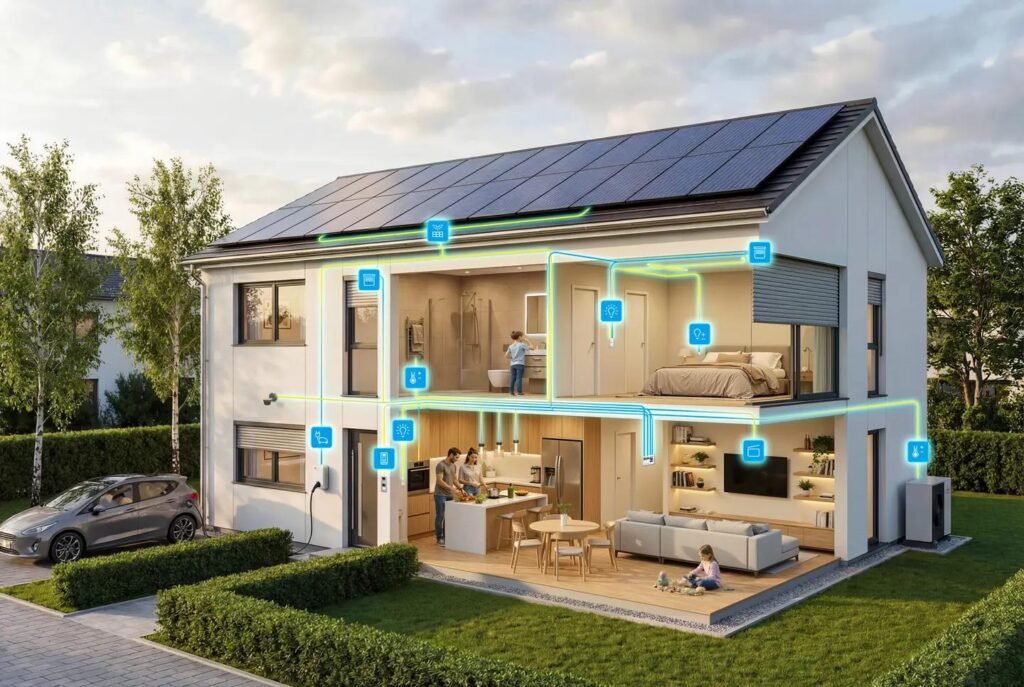
Building a Smarter, More Efficient Home
A smarter home combines practical technology, energy-efficient solutions, and regular maintenance to create a more comfortable, convenient, and efficient living environment.
A smarter, more efficient home is not just about installing the latest technology. It is about making everyday living more comfortable, reducing unnecessary energy consumption, improving safety, and choosing products that make household tasks easier. From intelligent climate control and modern appliances to smart energy systems, connected gadgets, efficient lighting, and practical repair tools, every improvement can contribute to a better home.
As technology continues to evolve in 2026, homeowners have more opportunities to improve how their homes operate. Smart thermostats can help manage indoor temperatures, energy monitors can reveal electricity usage, automated appliances can simplify daily routines, and modern lighting solutions can improve both convenience and efficiency.
However, knowing where to start can be challenging. Different products offer different benefits, and not every smart home upgrade is necessary for every household. The right approach is to understand your needs, compare available options, and prioritize improvements that provide practical long-term value.
At SmartAirHQ, we cover six important areas of home improvement: Climate Control, Home Appliances, Smart Energy, Smart Gadgets, Lighting & Electrical, and Tools & Repair. This complete guide brings these topics together to help you explore useful technologies, make informed purchasing decisions, and create a more comfortable, connected, and efficient living environment.
Affiliate Disclosure: SmartAirHQ may earn a commission when you purchase products through links in this article, at no additional cost to you. Our recommendations are based on usefulness and relevance to readers.
What Is a Smart and Efficient Home?
A smart and efficient home combines modern technology, energy-conscious products, and practical home improvement solutions to make everyday living easier. It uses connected devices, efficient appliances, intelligent controls, and well-maintained household systems to improve comfort, convenience, safety, and resource management.
Unlike a traditional home, a smart home can use connected technologies to automate certain tasks and give homeowners greater control over their environment. For example, smart thermostats can adjust heating and cooling schedules, smart lighting can automate illumination, and energy monitors can help identify electricity consumption patterns.
However, an efficient home does not necessarily need expensive automation systems. Simple improvements, such as choosing energy-efficient appliances, sealing air leaks, using LED lighting, 💡 Shop Smart LED Bulbs and maintaining household equipment, can also make a meaningful difference.
Key Features of a Smart and Efficient Home
A well-planned home improvement strategy focuses on several important areas:
- Intelligent Climate Control: Manage indoor temperatures, ventilation, and humidity with suitable HVAC equipment and smart thermostats.
- Efficient Home Appliances: Choose appliances designed to perform everyday tasks while using energy and water efficiently.
- Smart Energy Management: Monitor electricity consumption and explore solutions such as energy monitors, solar systems, and battery storage.
- Connected Smart Gadgets: Use compatible devices to automate household routines and improve convenience.
- Modern Lighting and Electrical Systems: Upgrade to efficient LED lighting, suitable smart switches, and safe electrical installations.
- Home Maintenance and Repair: Use appropriate tools and regular maintenance to keep household systems working properly.
Why Should Homeowners Invest in Home Efficiency?
Improving home efficiency can offer several practical advantages:
- Better comfort: Maintain more consistent indoor temperatures and suitable humidity levels.
- Energy awareness: Understand where electricity is being consumed and identify opportunities to reduce waste.
- Everyday convenience: Automate selected household tasks with compatible smart devices.
- Improved safety: Maintain electrical systems and household equipment using appropriate products and professional guidance.
- Long-term value: Choose durable, efficient products that suit your household requirements.
The best improvements depend on your home’s condition, budget, climate, and daily needs. Start with practical upgrades that solve real problems rather than purchasing technology simply because it is smart.
Climate Control: Improve Comfort and Air Quality
Climate control plays an important role in creating a comfortable and healthy indoor environment. A properly managed home temperature, suitable humidity, and effective ventilation can improve everyday comfort while helping heating and cooling systems operate more efficiently.
Modern climate control solutions include heating, ventilation, and air conditioning (HVAC) systems, smart thermostats, air conditioners, dehumidifiers, humidifiers, and air quality monitors. Choosing the right combination depends on your home’s size, local climate, insulation, and household requirements. EPA — Improve Indoor Air Quality.
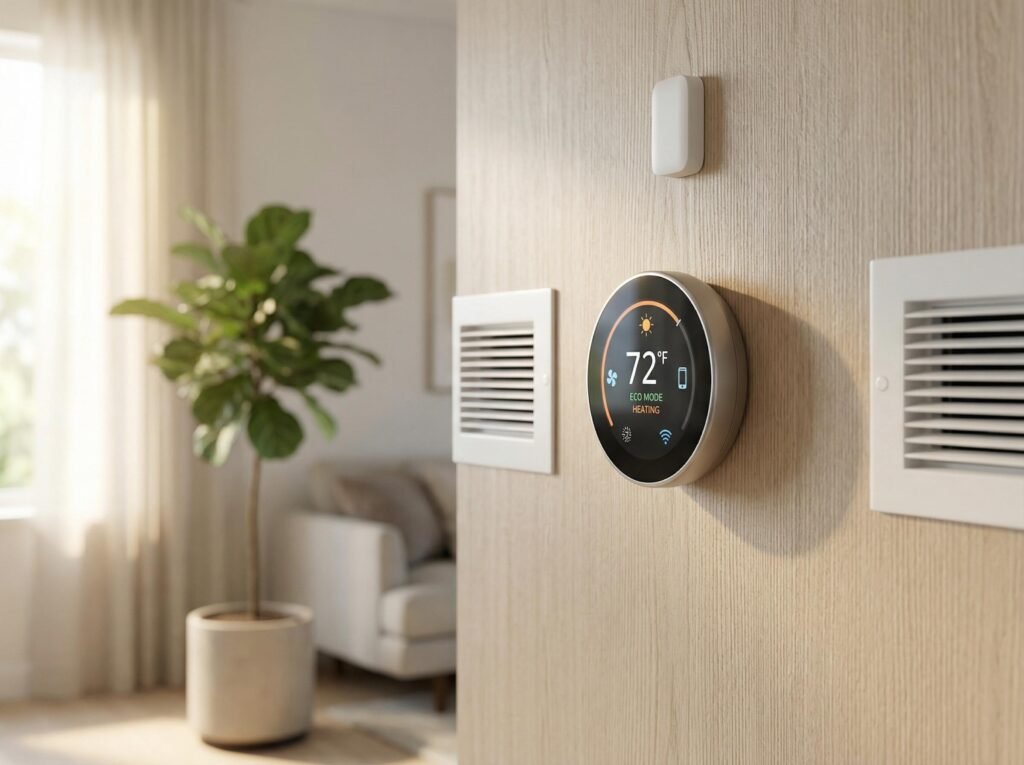
Important Climate Control Solutions for Modern Homes
1. Smart Thermostats
Smart thermostats allow homeowners to manage heating and cooling schedules, adjust temperature settings remotely, and monitor indoor conditions. Compatible models can help reduce unnecessary HVAC operation when properly configured.
2. HVAC Zoning Systems
An HVAC zoning system divides a home into separate temperature-control areas. This allows different rooms or zones to receive heating or cooling according to individual requirements rather than relying on one temperature setting throughout the house.
Learn more in our guide: HVAC Zoning System: How It Works and Its Benefits.
🔎 Explore Smart Thermostats on Amazon
3. Indoor Humidity Management
Maintaining suitable indoor humidity is another important part of home comfort. Excessive humidity can encourage mold growth, while very dry indoor air may cause discomfort. Humidifiers, dehumidifiers, and proper ventilation can help manage indoor moisture levels.
Read our guide to discover the Best Humidity Level for Home.
🛍️ Shop Home Humidity Monitors
4. Air Conditioning and Ventilation
Efficient air conditioning and ventilation systems help maintain comfortable indoor conditions. Regular filter replacement, equipment maintenance, and appropriate temperature settings can support system performance.
How to Improve Home Climate Efficiency
Homeowners can improve climate control by:
- Using programmable or smart thermostat schedules.
- Sealing air leaks around windows and doors.
- Replacing HVAC filters according to manufacturer recommendations.
- Maintaining heating and cooling equipment regularly.
- Using suitable insulation to reduce unwanted heat transfer.
- Monitoring indoor humidity and improving ventilation where necessary.
For more practical advice, explore the SmartAirHQ Climate Control category, where you can find additional guides, product recommendations, and home comfort solutions.
The goal is not simply to install more equipment. It is to create a comfortable indoor environment while avoiding unnecessary energy consumption.
Home Appliances: Make Everyday Tasks Easier
Home appliances are essential to everyday living, helping households manage cooking, cleaning, food storage, laundry, and other routine tasks. Choosing efficient and reliable appliances can improve convenience, reduce unnecessary resource consumption, and make household management easier.
Modern home appliances increasingly include smart features such as remote operation, automatic programs, energy monitoring, and maintenance alerts. However, the most important factors when choosing an appliance are its performance, energy and water efficiency, capacity, reliability, and suitability for your household.
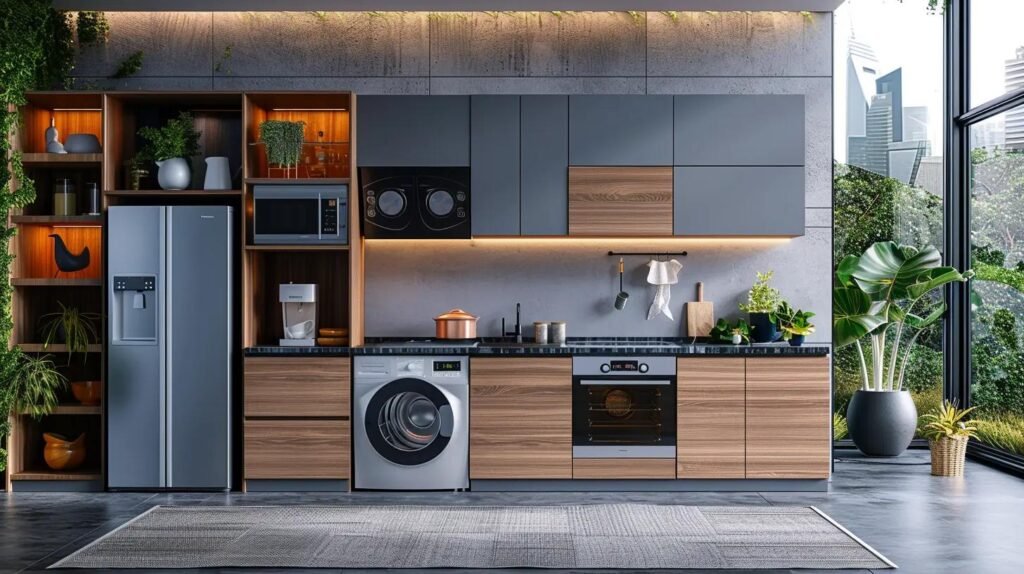
Essential Home Appliances for a Modern Home
1. Refrigerators and Freezers
Refrigerators help preserve food and reduce spoilage. When choosing one, consider storage capacity, energy consumption, temperature controls, and available efficiency ratings.
2. Dishwashers
Modern dishwashers offer different cleaning cycles, adjustable racks, and water-saving features. Selecting the right capacity and using suitable wash settings can help improve cleaning efficiency.
3. Washing Machines and Dryers
Energy-efficient washing machines can help manage water and electricity consumption. Look for suitable load capacity, efficient wash programs, and features that match your laundry requirements.
4. Smart Kitchen Appliances
Smart ovens, connected coffee makers, and automated kitchen appliances can make food preparation more convenient. Consider whether their smart features provide practical benefits before purchasing.
⭐ Explore Smart Kitchen Appliances.
How to Choose Energy-Efficient Home Appliances
Before buying a new appliance, consider these factors:
- Energy efficiency: Compare available energy ratings and estimated annual energy consumption.
- Capacity: Select an appropriate size for your household.
- Water efficiency: Check water consumption for appliances such as dishwashers and washing machines.
- Smart features: Choose connected features only when they offer useful functionality.
- Maintenance: Consider cleaning requirements, replacement parts, warranty, and repair support.
Tips for Improving Appliance Performance
Regular maintenance can help household appliances operate as intended. Clean refrigerator coils when recommended, avoid overloading washing machines, maintain dishwasher filters, and follow manufacturer instructions for cleaning and servicing.
For more detailed buying advice, troubleshooting tips, and appliance recommendations, explore the SmartAirHQ Home Appliances category.
Choosing appliances based on real household needs rather than unnecessary features can help create a more practical and efficient home.
Smart Energy: Reduce Electricity Consumption
Smart energy management helps homeowners understand how electricity is used and identify practical ways to improve household energy efficiency. 🔎 Find Home Energy Monitors By combining energy monitoring devices, efficient appliances, smart controls, and renewable energy solutions, households can make more informed decisions about their electricity consumption.
Modern smart energy technologies provide better visibility into energy usage and can help reduce unnecessary consumption. However, actual savings depend on household habits, electricity rates, equipment efficiency, and how effectively these technologies are used.
ENERGY STAR — Home Energy Yardstick.
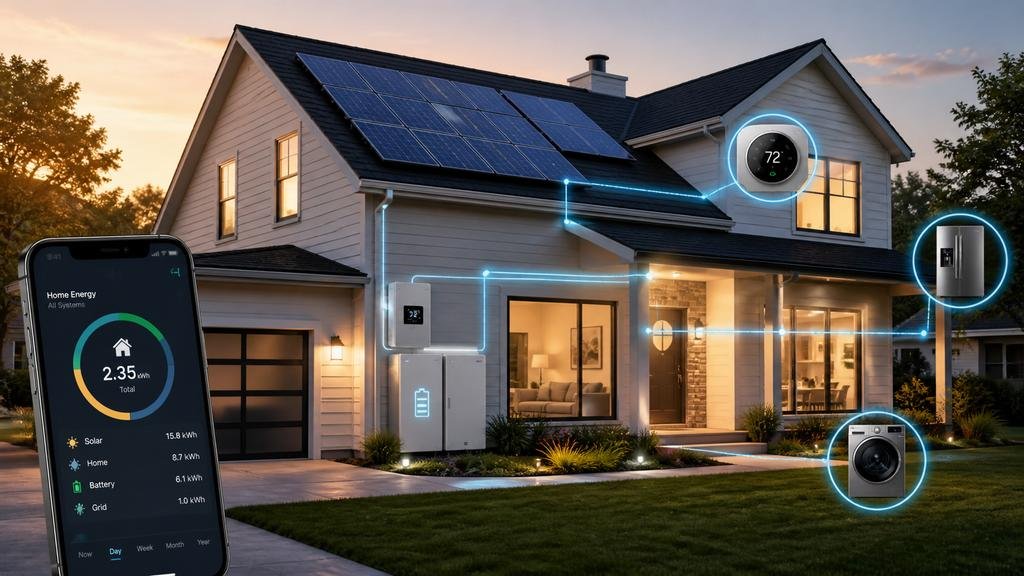
Important Smart Energy Solutions for Modern Homes
1. Smart Energy Monitors
Smart energy monitors help track household electricity consumption and identify appliances or systems that use significant amounts of power. Some devices provide real-time monitoring, historical usage data, and mobile app access.
Explore our Smart Energy Monitor Buying Guide to understand what to consider before choosing one.
2. Energy-Saving Smart Home Devices
Smart plugs, 🛒 Check Smart Plugs programmable thermostats, automated lighting, and intelligent power management devices can help reduce unnecessary electricity usage when configured correctly.
Discover more options in our guide to Smart Energy-Saving Devices for Home.
3. Solar Panels and Battery Storage
Residential solar panels generate electricity from sunlight, while home battery systems can store available energy for later use. Together, these technologies can support household energy management and provide additional flexibility.
4. Virtual Power Plants
Virtual power plants connect distributed energy resources, such as home batteries, solar systems, and other compatible devices, to coordinate electricity supply and demand. They can help support grid flexibility and modern energy management.
5. Phantom Energy Consumption
Some electronic devices continue drawing electricity while in standby mode or when connected to power. This is commonly called phantom energy or standby power consumption. Identifying unnecessary standby loads can help households reduce avoidable electricity use.
Practical Ways to Improve Home Energy Efficiency
- Monitor electricity consumption to identify high-energy appliances.
- Switch off or unplug devices when appropriate.
- Use energy-efficient lighting and appliances.
- Optimize heating and cooling schedules.
- Consider solar panels where suitable.
- Compare energy costs before investing in new equipment.
- Review electricity usage regularly to identify changes.
For more energy-management advice, technology comparisons, and practical solutions, visit the SmartAirHQ Smart Energy category.
The most effective smart energy strategy combines suitable technology with everyday energy-conscious habits. Understanding your household’s actual consumption should always come before purchasing additional devices.
Smart Gadgets: Make Your Home More Connected
Smart home gadgets are changing how people interact with their living spaces. These devices use wireless connectivity, sensors, automation, and mobile applications to make everyday household activities more convenient and manageable.
From smart speakers and robot vacuums ✨ Explore Robot Vacuums to connected security devices and automated cleaning systems, modern gadgets offer solutions for different household needs. The right devices can simplify daily routines, improve convenience, and provide better control over selected home functions.
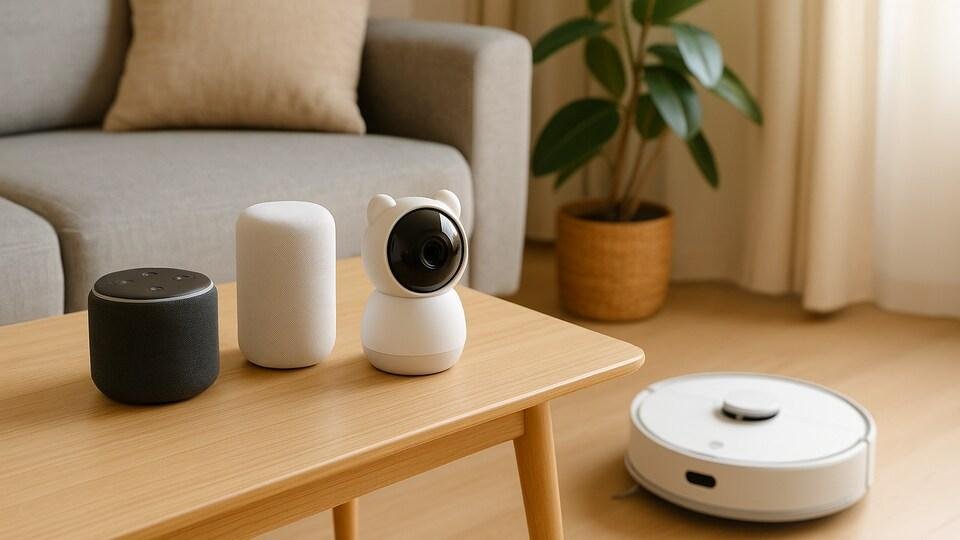
Popular Smart Gadgets for Modern Homes
1. Smart Speakers and Voice Assistants
Smart speakers allow users to control compatible devices, play music, set reminders, check information, and manage selected household routines through voice commands. Before purchasing, check device compatibility, privacy settings, and supported smart home platforms.
2. Robot Vacuum Cleaners
Robot vacuums automate routine floor cleaning using sensors, navigation technology, and scheduled cleaning programs. Some models also include mapping, app controls, automatic charging, and self-emptying stations.
3. Smart Home Security Gadgets
Connected security cameras, video doorbells, and smart sensors can help homeowners monitor selected areas of their properties.
🏠 Find Smart Home Security Cameras Consider video storage options, data privacy, network security, and subscription costs before choosing a device.
4. Smart Plugs and Connected Controllers
Smart plugs allow users to control compatible electrical devices remotely or through automation schedules. They can also help manage standby power consumption when used appropriately.
5. Smart Pet Gadgets
Automated pet feeders, smart pet cameras, and connected water fountains can make certain pet-care routines more convenient. Choose products based on your pet’s needs, reliability, and ease of cleaning.
What to Consider Before Buying Smart Home Gadgets
- Compatibility: Check whether the device works with your existing smart home ecosystem.
- Connectivity: Review Wi-Fi requirements and supported wireless standards.
- Privacy: Understand how the device collects, stores, and uses personal data.
- Automation: Look for features that solve real household problems.
- Maintenance: Consider software updates, battery replacement, and ongoing subscription costs.
- Value: Compare useful features with the overall purchase price.
How to Build a Connected Smart Home
Start with one or two devices that address your everyday needs. For example, a smart speaker can provide voice control, while a smart plug can automate a compatible appliance. As your requirements grow, you can gradually add compatible lighting, security, cleaning, and energy-management devices.
Explore the SmartAirHQ Smart Gadgets category for more smart home technology guides, product comparisons, and practical buying advice.
A connected home should make everyday life simpler. Focus on compatibility, reliability, privacy, and useful automation rather than purchasing gadgets simply because they offer more features.
Lighting & Electrical: Improve Safety and Efficiency
Lighting and electrical systems play an essential role in making a home comfortable, functional, and safe. Choosing suitable lighting, maintaining electrical components, and using modern control systems can improve everyday convenience while helping households manage electricity consumption.
Modern home lighting solutions include LED bulbs, smart lighting systems, dimmers, motion sensors, and programmable switches. Electrical improvements may also involve upgrading outdated components, improving circuit protection, and ensuring installations meet applicable electrical safety requirements.
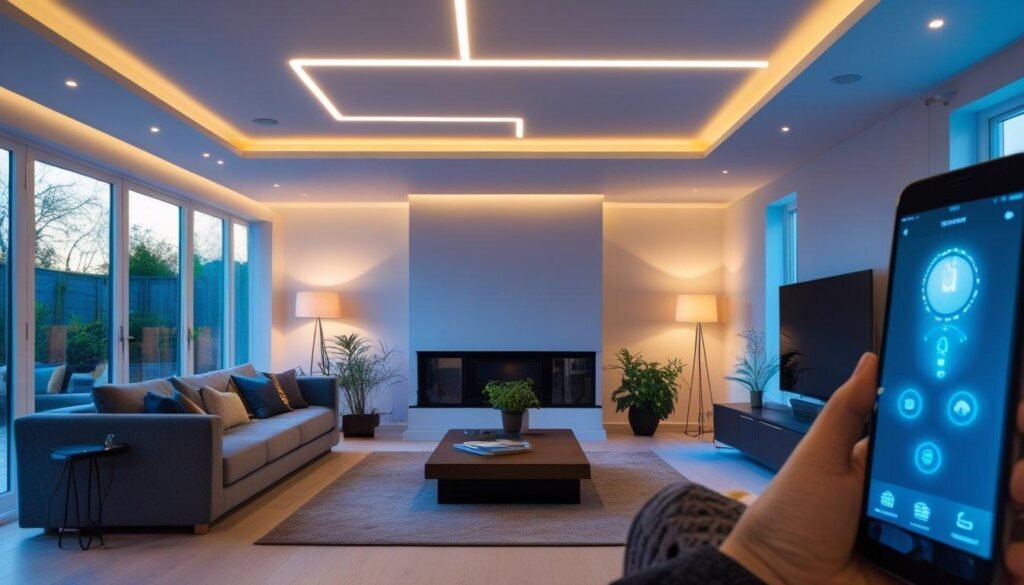
Important Lighting and Electrical Solutions
1. Energy-Efficient LED Lighting
LED bulbs use less electricity than traditional incandescent lighting and are available in different brightness levels and color temperatures. When selecting an LED bulb, compare lumens, wattage, color temperature, and compatibility with existing fixtures.
Explore our Smart LED Bulbs Buying Guide for more information.
2. Smart Light Switches
Smart light switches allow users to control compatible lighting through mobile apps, voice assistants, or scheduled automation. Some models also support dimming and remote operation.
Read our Smart Light Switches Buying Guide to compare features and compatibility.
3. Electrical Safety Devices
Ground-fault circuit interrupter (GFCI) outlets help protect people against certain electrical shock hazards, particularly in areas where water may be present. Circuit breakers provide protection against overcurrent conditions.
Explore our guide to GFCI Outlets to understand their purpose and applications.
4. Understanding Lighting Performance
Choosing lighting is not just about wattage. Lumens measure the amount of visible light produced, while color temperature describes whether light appears warmer or cooler.
Our guide explains What Are Lumens? and how to compare different lighting specifications.
How to Improve Home Lighting and Electrical Efficiency
- Replace suitable outdated bulbs with energy-efficient LEDs.
- Select appropriate brightness and color temperature for each room.
- Use compatible motion sensors and smart lighting schedules.
- Avoid overloading electrical outlets and extension cords.
- Inspect damaged cables, switches, and outlets.
- Use qualified electricians for electrical installations and repairs.
- Follow local electrical codes and manufacturer instructions.
For additional electrical guides, lighting advice, and product recommendations, visit the SmartAirHQ Lighting & Electrical category.
A well-designed lighting and electrical system should balance convenience, energy efficiency, and safety. Electrical work involving wiring, circuits, or panel modifications should always be handled by a qualified professional.
Tools & Repair: Maintain Your Home
Regular home maintenance and timely repairs help keep household systems, fixtures, and equipment working properly. Having the right tools available can make routine maintenance easier, help homeowners complete simple DIY projects, and reduce the need for professional assistance with minor tasks.
From basic hand tools to cordless power equipment and precision measuring instruments, different tools serve different purposes. Choosing reliable tools based on the type of work you perform can improve accuracy, convenience, and long-term value.
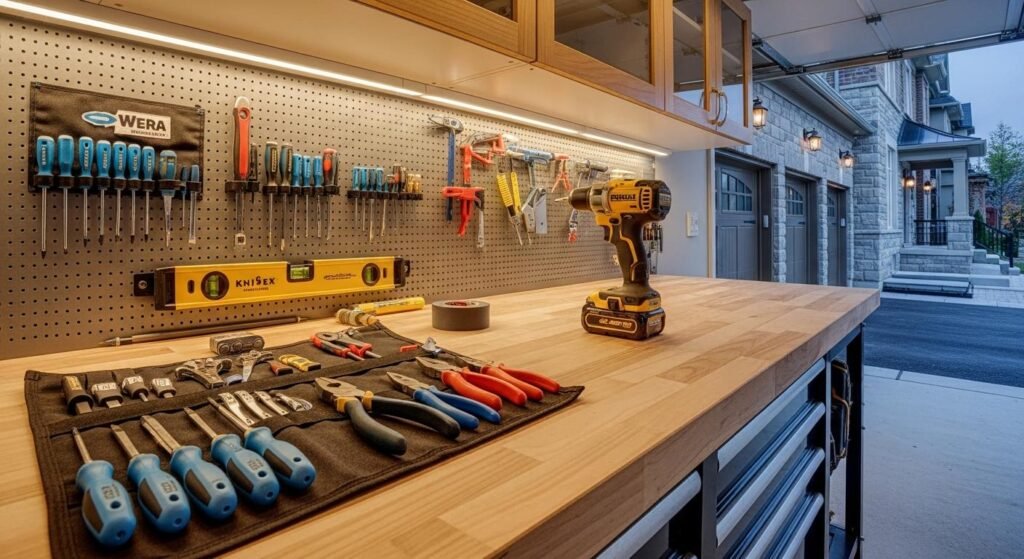
Essential Home Maintenance and Repair Tools
1. Socket Sets and Wrenches
Socket sets and wrenches are useful for tightening and loosening nuts and bolts during furniture assembly, automotive maintenance, and general repair projects. Choose appropriate drive sizes, socket types, and material quality for your intended applications.
Explore our Best Socket Set Guide to compare important features.
2. Cordless Power Drills
Cordless drills are versatile tools for drilling holes and driving screws in suitable materials. 🔧 Find Cordless Power Drills Battery capacity, torque settings, chuck size, and overall weight are important factors when selecting a drill.
Read our Cordless Power Drill Buying Guide before choosing one.
3. Torque Wrenches
Torque wrenches allow users to tighten fasteners to specified torque values. They are particularly useful in automotive work, mechanical maintenance, and applications where accurate fastening is important.
Our Best Torque Wrench Guide explains different types and selection considerations.
4. Stud Finders and Measuring Tools
Stud finders help locate framing members behind walls, making them useful when planning installations or mounting heavy objects. Measuring tools and levels also help improve accuracy during household projects.
Explore our Best Stud Finder Guide for more information.
5. General Home Maintenance Toolkits
A practical home toolkit may include screwdrivers, pliers, adjustable wrenches, measuring tapes, utility knives, levels, and other frequently used tools.
See our Best Home Maintenance Tools guide to discover useful equipment for everyday repairs.
How to Choose the Right Home Repair Tools
- Purpose: Select tools according to the repairs and projects you regularly handle.
- Build quality: Look for durable materials and reliable construction.
- Comfort: Choose ergonomic handles and manageable tool weights.
- Accuracy: Consider measurement precision for tools used in technical work.
- Safety: Use appropriate protective equipment and follow manufacturer instructions.
- Storage: Keep tools organized, clean, and protected from moisture.
Essential Home Maintenance Tips
Inspect household fixtures and equipment periodically, address small problems before they become larger, and follow recommended maintenance schedules. Always disconnect electrical power before performing permitted basic electrical maintenance, and hire qualified professionals for work involving wiring, structural changes, gas systems, 🛠️ Explore Home Tool Kits or other potentially hazardous repairs.
Explore the SmartAirHQ Tools & Repair category for practical tool comparisons, buying guides, and home maintenance advice.
The right tools can make routine home maintenance more manageable, but choosing the correct equipment and understanding its safe use are equally important.
How to Build a Smarter Home on Any Budget
Creating a smarter and more efficient home does not require purchasing expensive technology or replacing every household appliance. A practical approach is to identify the areas where improvements can make the biggest difference and gradually invest in suitable solutions.
Whether you have a limited budget or are planning a complete home upgrade, prioritizing comfort, energy efficiency, safety, and convenience can help you make better purchasing decisions. U.S. Department of Energy — Home Energy Checklist.
| Budget level | Recommended improvements | Main benefit |
|---|---|---|
| Low | LED bulbs, weatherstripping, basic maintenance | Affordable efficiency improvements |
| Medium | Smart plugs, energy monitors, smart lighting | Better control and energy awareness |
| High | HVAC upgrades, solar panels, battery storage | Larger long-term improvements |
1. Start with Low-Cost Home Improvements
Begin with simple changes that require little investment:
- Replace suitable traditional bulbs with energy-efficient LEDs.
- Seal air leaks around doors and windows.
- Turn off unnecessary lights and electronic devices.
- Clean appliance filters according to manufacturer recommendations.
- Organize and maintain existing household tools.
- Use natural lighting whenever practical.
These improvements can help reduce unnecessary resource consumption without requiring major purchases.
2. Invest in Useful Smart Home Devices
Once basic improvements are complete, consider devices that solve specific household problems.
Examples include:
- Smart plugs for compatible appliances.
- Smart thermostats for suitable HVAC systems.
- Energy monitors for understanding electricity consumption.
- Robot vacuums for automated floor cleaning.
- Smart lighting controls for convenient scheduling.
Compare the purchase price, compatibility, operating costs, and expected benefits before investing.
3. Prioritize Energy-Efficient Appliances
When an appliance needs replacing, compare its energy consumption, capacity, performance, and maintenance requirements.
Look for reliable efficiency information, including ENERGY STAR certification where applicable in the United States. Consider the estimated lifetime operating cost rather than focusing only on the initial purchase price.
4. Plan Larger Home Upgrades Carefully
More expensive improvements, such as HVAC upgrades, solar panels, home battery storage, and electrical renovations, require careful planning.
Before investing:
- Assess your household’s actual requirements.
- Compare multiple products and installation quotes.
- Check warranties and maintenance costs.
- Review local regulations and available incentives.
- Consult qualified professionals where necessary.
5. Build Your Home Improvement Plan Gradually
You do not need to complete every upgrade at once. Create a priority list based on safety, comfort, efficiency, and available budget.
A gradual approach allows you to understand which improvements provide practical value before investing in additional technology.
Smart Home Technology: What Should You Buy First?
Choosing the right smart home technology can feel overwhelming because there are so many products, brands, and features available. The best starting point is not to purchase every connected device at once, but to identify the areas where technology can solve everyday problems.
Before buying anything, consider your household’s needs, existing equipment, internet connectivity, budget, and compatibility requirements.
Smart Home Products Worth Considering
1. Smart Thermostats
Consider a smart thermostat if you have a compatible heating or cooling system and want better control over temperature schedules. Check HVAC compatibility before purchasing.
2. Smart Plugs
Smart plugs are a convenient starting point for automating compatible electrical devices. Check their power ratings and ensure they are suitable for the equipment you intend to control.
3. Smart LED Bulbs and Switches
Smart lighting products offer app-based controls, scheduling, dimming, and automation. Choose between smart bulbs and smart switches based on your existing fixtures and wiring.
4. Smart Energy Monitors
Energy monitors can help you understand electricity consumption and identify opportunities to improve efficiency. Check whether you need whole-home monitoring or individual appliance monitoring.
5. Robot Vacuum Cleaners
Robot vacuums can automate routine floor cleaning. Compare navigation systems, battery life, cleaning performance, maintenance requirements, and replacement-part availability.
Smart Home Buying Checklist
Before purchasing a product, review these important factors:
| Buying factor | What to check |
|---|---|
| Compatibility | Works with your existing devices and ecosystem |
| Connectivity | Wi-Fi, Bluetooth, Thread, or other supported protocols |
| Security | Software updates, authentication, and privacy controls |
| Installation | DIY installation or professional assistance |
| Running costs | Subscription, electricity, and maintenance expenses |
| Warranty | Coverage, support, and replacement options |
| Value | Practical benefits compared with total cost |
Avoid Common Smart Home Buying Mistakes
Do not choose a product simply because it has the most features or the lowest price. A device that is difficult to install, incompatible with your existing equipment, or dependent on expensive subscriptions may not provide good long-term value.
Start with products that address your most important needs, and expand your smart home gradually.
Explore the six SmartAirHQ categories throughout this guide to compare individual products, understand technical specifications, and make more informed purchasing decisions.
Common Smart Home Mistakes to Avoid
Building a smarter and more efficient home can improve convenience, comfort, and energy management. However, choosing unsuitable products or overlooking important technical details can lead to unnecessary expenses and frustrating experiences.
Understanding common mistakes before investing in new technology can help homeowners make better decisions.
1. Buying Devices Without Checking Compatibility
Not every smart home device works with every ecosystem. Some products support specific platforms, wireless standards, or operating systems.
How to avoid it: Check compatibility with your existing smart speakers, hubs, smartphones, and home automation systems before purchasing.
2. Purchasing More Technology Than You Need
Buying multiple smart gadgets without identifying a practical purpose can increase costs and make home management more complicated.
How to avoid it: Start with devices that solve genuine household problems and expand gradually.
3. Ignoring Energy Consumption
A smart device is not automatically an energy-saving device. Some connected products consume electricity continuously, and unnecessary automation can increase energy usage.
How to avoid it: Compare energy specifications, monitor consumption, and use automation settings thoughtfully.
4. Overlooking Privacy and Cybersecurity
Connected devices may collect personal information or communicate through home networks. Poor security practices can increase privacy and cybersecurity risks.
How to avoid it: Use strong unique passwords, enable available security features, install firmware updates, and review device privacy settings.
5. Choosing Products Based Only on Price
The cheapest product may lack important features, reliable software support, warranty coverage, or replacement parts.
How to avoid it: Compare product specifications, independent reviews, warranty terms, and long-term ownership costs.
6. Ignoring Regular Home Maintenance
Even advanced appliances and smart home systems require cleaning, inspection, and maintenance. Neglecting these tasks can affect performance and equipment lifespan.
How to avoid it: Follow manufacturer maintenance schedules and arrange professional servicing when necessary.
7. Attempting Complex Repairs Without Proper Knowledge
Electrical installations, HVAC modifications, and structural repairs can involve serious safety risks.
How to avoid it: Use suitable tools for basic maintenance and hire qualified professionals for specialized or hazardous work.
Avoiding these mistakes can help you build a more reliable, secure, and practical smart home without wasting money on unnecessary upgrades.
Frequently Asked Questions About Smart and Efficient Homes
1. What is a smart and efficient home?
A smart and efficient home uses modern technology, energy-efficient appliances, connected devices, and practical home improvements to improve comfort, convenience, safety, and household resource management.
2. How can I make my home more energy-efficient?
You can improve home energy efficiency by using LED lighting, choosing efficient appliances, sealing air leaks, maintaining HVAC equipment, and monitoring electricity consumption.
3. What smart home devices should I buy first?
Smart plugs, smart LED bulbs, smart thermostats, and energy monitors are useful starting points. Choose devices based on your household requirements, budget, and compatibility.
4. Do smart home devices actually save electricity?
Some smart home devices can help reduce electricity consumption through automation, scheduling, and energy monitoring. However, savings depend on device efficiency, configuration, and household usage habits.
5. Are smart home devices difficult to install?
Many consumer smart devices are designed for straightforward installation using mobile applications. However, products involving electrical wiring, HVAC connections, or structural modifications may require professional installation.
6. Is it expensive to build a smart home?
No. You can begin with affordable improvements such as LED bulbs, smart plugs, and basic energy-saving habits. More expensive upgrades, such as solar panels and advanced automation systems, can be added gradually.
7. How can I improve indoor comfort and air quality?
Maintain suitable indoor humidity, replace HVAC filters as recommended, improve ventilation, address moisture problems, and use appropriate air-cleaning equipment when needed.
8. What is the most important part of home maintenance?
Regular inspections, timely repairs, proper appliance maintenance, and attention to electrical and HVAC safety are essential. Addressing small problems early can help prevent more expensive repairs.
9. Can I control all smart home devices with one app?
Not always. Some devices support multiple smart home platforms, while others require their own applications or compatible hubs. Check ecosystem compatibility before purchasing.
10. How do I choose reliable home improvement products?
Compare specifications, independent reviews, safety certifications where applicable, warranty coverage, maintenance requirements, and long-term operating costs before making a purchase.
Final Thoughts: Take a Smarter Approach to Home Improvement
Building a smarter, more efficient home does not require changing everything at once. Small improvements in climate control, appliances, energy management, smart gadgets, lighting, and home maintenance can make everyday life more comfortable, convenient, and efficient.
The best approach is to identify your home’s biggest needs, set a realistic budget, and prioritize upgrades that provide practical long-term value. Whether you are improving indoor comfort, reducing electricity consumption, choosing smarter appliances, or handling basic repairs, informed decisions can help you avoid unnecessary expenses.
At SmartAirHQ, our goal is to make home technology and maintenance easier to understand. Explore our guides across all six categories to find practical advice, product recommendations, and ideas for improving your home.
Start with one useful improvement today, and build a smarter, more efficient home step by step.