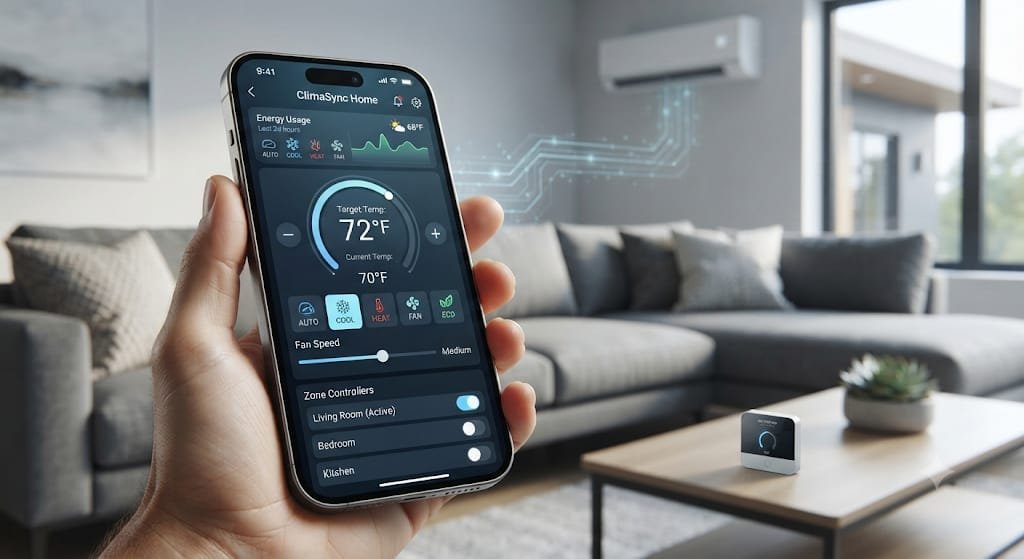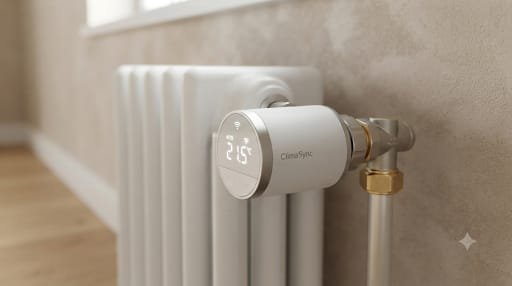
If your home uses radiators, a single central thermostat cannot always keep every room at the temperature you want. A bedroom may be comfortable while the living room feels too warm, or an unused room may continue heating when nobody needs it. Smart radiator valves (TRVs) address this problem by giving individual radiators their own temperature control and, depending on the system, features such as schedules, app control, automation, room-by-room heating, and smart-home integration.
This Smart Radiator Valves Buying Guide explains how smart TRVs work, what to check for compatibility before buying, which features actually matter, how much a complete setup can cost, and how to choose the right smart radiator thermostat for bedrooms, living rooms, home offices, bathrooms, and other spaces.
Whether you want better room-by-room comfort, more convenient heating control, or a smarter home heating setup, this guide will help you compare the options and understand what you need before making a purchase.
If you are building a broader smart-home and energy-management setup, explore SmartAirHQ for more practical guides, tools, and home technology resources.
Affiliate disclosure: This article contains affiliate links. If you purchase through qualifying links, SmartAirHQ may earn a commission at no additional cost to you.
Prices, availability, specifications, compatibility, and seller information can change. Always verify the latest product details and manufacturer compatibility information before purchasing.
What Is a Smart Radiator Valve?
A smart radiator valve (smart TRV) is an electronically controlled valve that replaces or upgrades a conventional thermostatic radiator valve. Instead of relying only on a manual dial, you can use the valve’s controls, a smartphone app, schedules, temperature sensors, or compatible smart-home automation to manage the heating level of an individual radiator.
The main advantage is room-by-room temperature control. With the right setup, you can set different heating schedules or temperature targets for different rooms instead of heating the entire home to the same level. For example, you could keep a bedroom cooler overnight, maintain a comfortable temperature in the living room during the evening, and reduce heating in an unused room.
Smart radiator valves can communicate with a heating system or smart-home platform through technologies such as Wi-Fi, Zigbee, Z-Wave, Bluetooth, Thread, or proprietary wireless connections, depending on the model. Some systems also require a hub or bridge to connect the valves to an app or smart-home ecosystem.
One important point is that a smart radiator valve primarily controls the radiator it is installed on. It does not automatically replace your boiler, central heating controller, or main thermostat. How the valve interacts with the rest of your heating system depends on the specific product and setup.
Smart Radiator Valve vs. Traditional Thermostatic Radiator Valve
A traditional thermostatic radiator valve (TRV) provides basic temperature regulation by adjusting the flow of hot water through an individual radiator. A smart radiator valve builds on this basic function by adding digital controls, connectivity, scheduling, and, depending on the system, remote access and smart-home automation.
| Feature | Traditional TRV | Smart Radiator Valve |
|---|---|---|
| Manual temperature control | Yes | Usually |
| Individual radiator temperature control | Yes | Yes |
| Smartphone control | No | Often |
| Heating schedules | No | Often |
| Remote temperature adjustments | No | Often |
| Smart-home automation | No | Depends on ecosystem |
| Window or occupancy automation | No | Some systems support it |
| Hub or bridge required | No | Depends on model |
| Battery powered | Usually no | Common |
The key takeaway is that smart does not automatically mean better for every room. A traditional TRV may be sufficient if you only need simple manual temperature control. A smart radiator valve becomes more useful when you want features such as scheduled heating, remote adjustments, automation, or coordinated room-by-room temperature management.
Why Room-by-Room Heating Control Matters
Different rooms have different heating needs. A bedroom may be more comfortable at a cooler temperature than a living room, while a home office may need more heat during working hours and less when it is empty. Room-by-room heating control lets you adjust individual spaces according to how and when they are used.
With smart radiator valves, you can set different temperature targets and heating schedules for individual radiators, depending on the model and connected ecosystem. For example, you might schedule a bedroom to warm up before bedtime, keep a home office comfortable during working hours, and reduce heating in a guest room when it is not being used.
Some smart heating systems can also work with room temperature sensors, window sensors, occupancy features, and automation rules. These features can provide more precise control, but their availability depends on the specific valve, sensors, hub, and smart-home platform you use.
The goal is not simply to make every room warmer or colder. It is to give you more control over when and where your home is heated, which can improve convenience and help avoid heating spaces unnecessarily.
The Best Rooms for Smart Radiator Valves
Smart radiator valves can be particularly useful in rooms that have different occupancy patterns or temperature preferences. Instead of applying the same heating schedule throughout the home, you can adjust individual radiators according to how each space is used.
- Bedrooms: Create separate heating schedules for nighttime and morning routines.
- Living rooms: Schedule heating around the times the room is normally occupied.
- Home offices: Use a daytime heating schedule when the room is being used and reduce heating when it is empty.
- Guest rooms: Lower heating during periods when the room is unoccupied, while maintaining an appropriate temperature for the property.
- Dining rooms: Schedule heating around typical meal times and family activities.
- Bathrooms: Use targeted heating schedules where supported and appropriate for the heating system.
- Storage or utility rooms: Use an appropriate temperature setting rather than automatically treating these spaces like regularly occupied living areas.
The goal is not to make every room hotter or colder. It is to make your heating system more responsive to how each room is actually used, while giving you greater control over comfort and heating schedules.
How to Choose the Best Smart Radiator Valve
The best smart radiator valve is not necessarily the model with the longest list of features. Compatibility, heating-system requirements, smart-home support, temperature control, installation needs, and the way you use each room should come first.
Before buying, think about the complete heating setup rather than the valve alone. Depending on the product, you may need a compatible hub or bridge, temperature sensor, smart-home platform, or other equipment. Some smart radiator valves can also work with a wider ecosystem of devices, while others are designed primarily for a manufacturer’s own platform.
1. Check Radiator Valve Compatibility First
Compatibility should be your first check. Smart radiator valves are designed to replace or attach to specific types of thermostatic radiator valve heads, and some installations require an adapter. Manufacturer compatibility guides can identify supported valve bodies and the adapters needed for particular models.
Before ordering, check:
- The type of valve currently installed on your radiator.
- The valve connection or fitting.
- Whether the smart valve fits directly or requires an adapter.
- Whether the manufacturer lists your valve as compatible.
- Whether your existing valve is in good working condition.
- Whether your heating system has any additional compatibility requirements.
- Whether installation is suitable for DIY or should be handled by a qualified professional.
Do not assume that two radiator valves that look similar will use the same connection. If you are unsure, identify the existing valve and check the manufacturer’s compatibility guide before purchasing.
2. Check Your Heating System and Smart-Home Ecosystem
A smart radiator valve controls the radiator it is installed on, but the way it interacts with the wider heating system varies by product.
Before buying, determine whether you need:
- A hub or bridge.
- A compatible central thermostat or heating controller.
- A specific smart-home platform.
- A temperature sensor.
- A particular wireless standard.
- A subscription or cloud service for certain features.
Some products are designed to integrate with broader smart-home platforms, while others work mainly within their manufacturer’s ecosystem. For example, current products using Matter and Thread can require a compatible Matter controller and Thread Border Router, depending on the model.
Choose an ecosystem you can comfortably maintain, rather than choosing a valve based only on its wireless technology.
3. Choose the Right Wireless Connection
The wireless technology affects how the valve communicates with your smart-home system, but the label alone should not determine your purchase.
Wi-Fi: Some smart radiator valves connect directly to a home network. Check the specific product’s power requirements, network requirements, and offline functionality.
Zigbee: A low-power wireless protocol used by many smart-home devices. Zigbee radiator valves generally require a compatible hub or controller, depending on the product and ecosystem.
Z-Wave: Another smart-home wireless protocol used by some heating products. Compatibility depends on the controller and ecosystem you already use.
Bluetooth: Some radiator valves use Bluetooth for local setup or control, while certain products may use another technology for broader smart-home connectivity.
Thread and Matter: Newer smart-home products may combine Thread networking with Matter compatibility. These can provide cross-platform integration, but you should still check the required hub or controller before buying. Current Eve Thermo models, for example, use Thread and Matter and require compatible hub functionality.
Proprietary systems: Some manufacturers use their own communication technology or dedicated bridges. These can provide a tightly integrated experience but may offer less flexibility outside that ecosystem.
The important question is not simply “Which protocol is best?” It is “Which system works reliably with the devices and smart-home platform I already use?”
4. Look for Useful Scheduling Features
Scheduling is one of the most practical reasons to upgrade from a manual radiator valve. Instead of adjusting the temperature repeatedly throughout the day, you can create heating periods around your household routine.
Useful scheduling features may include:
- Different temperatures for morning, daytime, evening, and night.
- Weekday and weekend schedules.
- Individual room schedules.
- Temporary temperature overrides.
- Vacation or away modes.
- Automatic changes based on sensors or presence.
The exact scheduling options vary between products, so check the current manufacturer’s specifications before purchasing.
5. Consider a Separate Temperature Sensor
A radiator valve measures temperature close to the radiator, which may not always represent the temperature where you actually sit, sleep, or work.
Some smart-heating ecosystems support separate temperature sensors that can provide a more useful reading from another location in the room. For example, tado° offers wireless temperature sensors that can measure the temperature in the room rather than directly beside the radiator, while Eve offers a separate Thermo Control designed to work with compatible Eve Thermo valves.
A separate sensor can be particularly useful for:
- Large bedrooms.
- Open-plan rooms.
- Home offices.
- Rooms where the radiator is behind furniture.
- Spaces where the radiator’s location does not represent the average room temperature.
6. Check App Control and Remote Access
App control can be useful when your routine changes unexpectedly. You may want to adjust a room’s temperature while away, change a schedule, or check the status of your heating.
However, remote access should be treated as a convenience rather than the main reason to buy. Before purchasing, check what controls remain available if the internet connection, cloud service, or smart-home hub becomes unavailable.
7. Consider Window, Presence, and Automation Features
Some smart-heating ecosystems can integrate radiator valves with window sensors, occupancy or presence information, and other automation rules.
For example, a compatible system may temporarily reduce heating when a window is detected as open or adjust heating according to whether the home is occupied. These capabilities vary significantly between ecosystems, so treat them as system-level features rather than automatic features of every smart radiator valve.
Only prioritize these features if they fit the way you actually use your home.
8. Check Battery Life and Maintenance
Many smart radiator valves use replaceable batteries, so battery management is part of the long-term ownership experience. Current products such as Eve Thermo use replaceable AA batteries, while exact battery requirements and expected life vary by model.
Before buying, check:
- Battery type.
- Manufacturer’s expected battery life.
- Battery replacement procedure.
- Low-battery notifications.
- Whether rechargeable batteries are supported.
- Whether battery consumption may increase with frequent motor movement or wireless activity.
Treat advertised battery life as an estimate rather than a guarantee. Actual performance can vary with usage, temperature settings, communication behavior, and the specific heating system.
9. Check Installation Requirements
Some smart radiator valves are designed to replace an existing thermostatic valve head without changing the entire valve body, while others may require adapters or additional equipment. Manufacturer installation documentation should be checked before purchase.
Before installing, confirm:
- The existing valve is compatible.
- The correct adapter is included or available.
- The radiator valve is in good condition.
- The product’s installation instructions match your setup.
- You understand whether professional installation is recommended.
If the existing valve needs to be replaced, modified, or repaired, consider getting help from a qualified heating professional rather than forcing an incompatible smart valve onto the radiator.
10. Separate Must-Have Features From Nice-to-Have Features
Finally, prioritize the features that solve your actual heating problem.
Must-have features may include:
- Correct radiator compatibility.
- Reliable temperature control.
- Suitable scheduling.
- Compatibility with your existing smart-home ecosystem.
- Appropriate power and battery requirements.
Nice-to-have features may include:
- Presence-based automation.
- Window detection.
- Voice control.
- Advanced room sensors.
- Detailed heating statistics.
- Additional automation options.
A simpler valve that fits your radiator and works reliably with your existing setup can be more practical than a feature-rich model that requires an ecosystem you do not already use.
Best Room-by-Room Smart Heating Strategy
The best room-by-room heating setup starts with how each room is used, rather than applying the same temperature schedule throughout the home. Smart radiator valves give you the flexibility to create different heating schedules and temperature targets, but the setup should remain simple enough to manage in everyday life.
Start with the rooms where heating needs differ the most. You can then add smart radiator valves gradually instead of replacing every radiator at once.
Bedroom Heating Control
Bedrooms are often good candidates for independent heating control because their heating schedule may differ from the rest of the home. You can create a nighttime heating period and a daytime setback, then use a temporary override when your routine changes.
If your smart-heating system supports a separate temperature sensor, place it where it better represents the room’s temperature rather than directly beside the radiator. This can provide a more useful reading of the space you actually want to control.
Living Room Heating Control
Living rooms are often occupied at predictable times, making them suitable for scheduled heating. A smart radiator valve can reduce the need for repeated manual adjustments throughout the day.
For an open-plan living area, consider whether a single radiator valve can adequately represent the entire space. If the room has multiple radiators, you may need coordinated control across several valves, depending on the heating layout and smart-home system.
Home Office Heating Control
A home office may only need heating during working hours. Instead of maintaining the same setting throughout the day, create a schedule that reflects when the room is normally occupied.
If your working hours vary, temporary temperature overrides can be more practical than creating an overly complicated schedule. The most useful automation is usually one that fits your routine without requiring constant adjustments.
Guest Room Heating Control
Guest rooms may remain unused for extended periods and therefore often have different heating requirements from regularly occupied spaces. Independent radiator control allows the room to follow a separate schedule.
You can use a lower-use schedule and temporarily increase the target temperature when the room is needed. However, avoid choosing minimum settings without considering the property’s climate, plumbing, insulation, and heating-system requirements. Follow the manufacturer’s guidance where applicable.
Smart Radiator Valve Buying Checklist
Before you click the buy button, use this checklist to compare smart radiator valves. A product that looks inexpensive at first can become more costly if it requires a separate hub, bridge, adapter, temperature sensor, or other accessories.
Compatibility
- Does the valve fit your existing radiator valve?
- Is an adapter required?
- Is the correct adapter included or available separately?
- Is your heating system supported?
- Have you checked the manufacturer’s compatibility guide?
Connectivity
- Does it use Wi-Fi, Zigbee, Z-Wave, Thread, Matter, or a proprietary connection?
- Is a hub, bridge, or compatible controller required?
- Does it work with your existing smart-home ecosystem?
- Will the features you need still work if the internet connection is unavailable?
Temperature Control
- Can you control the temperature directly from the valve?
- Does the app provide the controls you need?
- Can you create heating schedules?
- Are individual rooms controlled separately?
- Does the system support temporary temperature overrides?
Automation
- Does it support open-window detection?
- Can it use occupancy or presence information?
- Does it support external temperature sensors?
- Can it connect with your existing smart-home routines?
- Are these features included, or do they require additional equipment?
Ownership and Maintenance
- What battery type does it use?
- How often are batteries expected to be replaced?
- Are batteries user-replaceable?
- Does the manufacturer provide ongoing app and software support?
- What happens to local controls if the hub, cloud service, or internet connection becomes unavailable?
- Are there subscription fees for any important features?
Total Setup Cost
Before comparing prices, calculate the complete setup cost, including:
- Smart radiator valve
- Hub or bridge, if required
- Adapters
- Temperature sensors
- Batteries
- Installation or professional assistance, if needed
A compatibility-first approach can prevent many of the common mistakes people make when buying smart heating equipment. The right valve is not simply the one with the lowest purchase price—it is the one that fits your radiator, works with your heating system and smart-home setup, and provides the features you will actually use.
Browse Amazon for Smart Radiator Valves
If you are ready to compare available options, you can browse Amazon for smart radiator thermostats, smart TRVs, radiator valve accessories, and compatible temperature sensors.
Before purchasing, check the current product listing carefully, including radiator compatibility, required hubs or bridges, included adapters, specifications, seller information, customer reviews, and return policies. Product availability, pricing, and included accessories can change over time.
Affiliate disclosure: SmartAirHQ may earn a commission from qualifying purchases made through this link, at no additional cost to you.
🛒 Browse Smart Radiator Valves on Amazon
Amazon Smart Radiator Valve Searches
Use these Amazon searches to compare smart radiator thermostats, compatible accessories, and different smart-home ecosystems. These links are search-category links, not individual product recommendations. Product availability, pricing, compatibility, seller information, and included accessories can change, so verify the current listing before purchasing.
- Smart Radiator Thermostats
- Aqara Smart Radiator Thermostats
- tado Smart Radiator Thermostats
- SwitchBot Smart Radiator Thermostats
- Danfoss Smart Radiator Thermostats
- Eve Thermo Radiator Thermostats
- Netatmo Smart Radiator Thermostats
- Meross Smart Radiator Thermostats
- Zigbee Radiator Thermostats
- Radiator Valve Adapters and Accessories
Affiliate disclosure: SmartAirHQ may earn a commission from qualifying purchases made through these links, at no additional cost to you.
Always check the radiator valve compatibility, required hub or bridge, adapter requirements, battery type, smart-home compatibility, return policy, and seller information before buying.
Common Smart Radiator Valve Buying Mistakes
Buying the cheapest smart radiator valve is not always the most practical approach. A product that looks inexpensive can become more costly if it does not fit your radiator, requires additional hardware, or cannot integrate with the smart-home system you already use.
Buying Before Checking the Valve Connection
This is one of the most important mistakes to avoid. Smart radiator valves are not universally interchangeable. Before ordering, identify the existing radiator valve connection and check the manufacturer’s compatibility information.
Also confirm whether an adapter is required and whether the correct adapter is included with the product or must be purchased separately.
Ignoring the Hub or Bridge Requirement
A smart radiator valve may look like a complete smart device but still require a hub, bridge, or compatible controller for certain features.
Before buying multiple valves, determine:
- Whether a hub or bridge is required.
- How many devices the hub can support.
- Whether the hub works with your preferred smart-home platform.
- Whether additional hubs are needed for your planned setup.
- Whether the system can provide the controls you need without an internet connection.
The additional hardware can affect both the total cost and installation complexity.
Comparing Only the Valve’s Purchase Price
The advertised valve price may not represent the complete cost of the setup.
Depending on the product, you may also need:
- A hub or bridge.
- Valve adapters.
- External temperature sensors.
- Batteries.
- Installation or professional assistance.
Compare the total setup cost rather than looking only at the price of the individual valve.
Choosing Features You Will Never Use
Advanced automation can be useful, but not every household needs every available feature. If all you want is a weekday schedule and app-based temperature adjustment, paying more for a complicated ecosystem may not provide much additional value.
Prioritize the features you are likely to use regularly, such as scheduling, reliable temperature control, room-by-room control, and compatibility with your existing smart-home system.
Ignoring Ecosystem Compatibility
A valve may work well on its own but become less useful if it does not integrate with the devices and platform you already use.
Before buying, check compatibility with your preferred ecosystem, including any requirements for Matter, Thread, Zigbee, Z-Wave, Wi-Fi, or proprietary platforms.
If you are building a multi-device smart home, consider the ecosystem as a whole rather than choosing each heating product independently.
Treating a Smart Valve as a Complete Heating System
A smart radiator valve controls the radiator where it is installed. It does not automatically solve problems involving the boiler, central heating controls, circulation, insulation, radiator sizing, or hydraulic balancing.
If radiators heat unevenly or the heating system has an underlying technical problem, installing smart valves may not address the cause.
Smart controls work best when the existing heating system is properly configured and operating as intended.
Smart Radiator Valves, Energy Efficiency, and Comfort
Smart radiator valves can help households manage heating more deliberately by adjusting individual rooms according to schedules, occupancy patterns, and temperature preferences. However, you should not assume a specific percentage of energy savings from installing a particular valve. Real-world results depend on the building, heating system, insulation, weather, heating schedules, occupancy, temperature settings, and user behavior.
The practical benefit is greater control over where and when heating is used. Instead of applying the same heating schedule to every radiator, a smart heating system can allow individual rooms to follow different temperature targets and schedules, depending on the products and controls being used.
This can be particularly useful when some rooms are occupied more frequently than others. For example, a home office may need heating during working hours, while a guest room may follow a different schedule. The potential benefit comes from matching heating control more closely to how the home is actually used.
Comfort Still Matters
Energy efficiency should not come at the expense of reasonable comfort. A room that uses less heating but becomes consistently uncomfortable may not be a practical heating strategy.
Start with sensible temperature targets and simple schedules, then observe how each room responds. Make small adjustments based on actual room use, weather, and comfort rather than relying on aggressive settings.
For a broader approach to indoor comfort, see SmartAirHQ’s guide to the best humidity level for a home. Temperature and humidity work together to influence how comfortable an indoor environment feels.
Smart Radiator Valves and Smart-Home Integration
Smart radiator valves become more useful when they can work with the rest of your smart-home ecosystem. Depending on the product, you may be able to connect heating controls with compatible temperature sensors, window sensors, routines, voice assistants, and other automation devices.
However, compatibility should always be verified at the individual device level rather than assumed from a brand name. Two products from the same manufacturer may support different communication standards, hubs, or smart-home platforms.
Check the Smart-Home Ecosystem Before Buying
Before purchasing a smart radiator valve, check whether it works with the platform you already use, such as Amazon Alexa, Google Home, Apple Home, SmartThings, or another compatible system.
Also check whether the valve requires:
- A dedicated hub or bridge.
- A compatible Matter controller.
- A Thread Border Router.
- A Zigbee or Z-Wave hub.
- The manufacturer’s own app or cloud service.
- Additional sensors for certain automation features.
Amazon’s current smart-home documentation confirms that compatible devices can connect to Alexa through technologies including Matter, Thread, Zigbee, and Bluetooth Low Energy, while supported Matter device categories include thermostats. However, compatibility and available controls still depend on the specific device and integration.
Do Not Choose a Valve Based on the Protocol Alone
A label such as Zigbee, Matter, Thread, or Wi-Fi does not automatically mean that a radiator valve will work with every smart-home system using that technology.
Before buying, verify:
- The exact radiator valve is supported.
- The required hub or controller is compatible.
- Your preferred smart-home platform supports the valve.
- The features you want—such as scheduling, temperature control, sensors, or automation—are actually available through that integration.
If interoperability is important to you, check the manufacturer’s current compatibility list and installation documentation before purchasing. This can prevent buying a valve that technically uses the right wireless standard but does not provide the integration you expected.
Smart Heating Tools and Home Maintenance Resources
Smart radiator valves are only one part of maintaining a comfortable and efficient home. Depending on your heating setup, radiator valve installation, compatibility checks, basic heating maintenance, and household repair tasks may also require the right tools and practical resources.
For related home maintenance, repair, and heating resources, explore the SmartAirHQ Tools & Repair category. It provides a broader collection of practical guides that can help with heating projects, installation tasks, and other common household maintenance needs.
How to Build a Room-by-Room Smart Heating Setup
You do not need to install smart radiator valves throughout your entire home at once. A gradual approach allows you to understand how the system works, identify which rooms benefit most from independent heating control, and avoid buying unnecessary equipment.
Step 1 — Map Your Rooms
List each room with a radiator and note when it is normally occupied. Identify rooms with significantly different heating needs or schedules, such as bedrooms, home offices, guest rooms, and living areas.
This gives you a clearer picture of where room-by-room heating control is likely to be most useful.
Step 2 — Start With High-Value Rooms
Begin with rooms where independent temperature control can provide the most practical benefit. Bedrooms, home offices, living rooms, and guest rooms are common starting points because their occupancy patterns can differ from the rest of the home.
You can expand the setup later once you know which rooms actually benefit from smart control.
Step 3 — Confirm Radiator Compatibility
Before purchasing multiple valves, identify the existing radiator valve connection in each room and compare it with the manufacturer’s compatibility information.
Check whether the smart radiator valve fits directly or requires an adapter. Confirming compatibility before buying can help prevent unnecessary returns and additional costs.
Step 4 — Choose One Smart-Home Ecosystem
If you plan to install multiple smart radiator valves, choose products that can work within the same smart-home ecosystem whenever possible.
Using compatible devices can make it easier to manage schedules, sensors, automation, and room temperatures without relying on several unrelated apps, hubs, or bridges.
Step 5 — Create Simple Heating Schedules
Start with straightforward schedules based on when each room is normally occupied. For example, a home office might follow a weekday daytime schedule, while a bedroom could use separate morning and evening heating periods.
Avoid creating overly complicated schedules at the beginning. Simple settings are easier to monitor and adjust as your routine changes.
Step 6 — Fine-Tune Based on Real Use
After using the system for several days or weeks, review how each room responds. If a room is consistently too warm or too cool, investigate the temperature sensor position, radiator performance, valve behavior, and heating schedule before simply increasing or decreasing every temperature setting.
Make small adjustments and monitor the results. A room-by-room smart heating system works best when its settings reflect the actual use of each space.
Frequently Asked Questions About Smart Radiator Valves
Are smart radiator valves worth it?
Smart radiator valves can be worthwhile if you want room-by-room temperature control, automated heating schedules, app access, or smart-home integration. Their value depends on your heating system, room usage, radiator compatibility, and how much control you actually need.
Do smart radiator valves work with every radiator?
No. Smart radiator valves are not universally compatible with every radiator valve. Compatibility depends on the existing valve connection and the smart valve’s supported fittings or adapters. Always check the manufacturer’s compatibility information before purchasing.
Do smart radiator valves need Wi-Fi?
Not necessarily. Some smart radiator valves use Wi-Fi, while others use Zigbee, Z-Wave, proprietary wireless systems, Bluetooth, Thread, or other communication methods. Some models also require a dedicated hub or bridge.
Can I control each room separately with smart radiator valves?
Yes. Room-by-room heating control is one of the main reasons to install smart radiator valves. You can typically create different temperature targets or heating schedules for individual rooms, although the exact level of independent control and automation depends on the product and ecosystem.
Do smart radiator valves save energy?
Smart radiator valves can help you manage heating more deliberately by reducing unnecessary heating in rooms that do not need the same schedule or target temperature. However, actual energy results vary significantly depending on the home, heating system, insulation, weather, temperature settings, occupancy, and user behavior. There is no universal energy-saving percentage that applies to every installation.
Do I need a smart radiator valve on every radiator?
No. You can start with the rooms where independent heating control is most useful and expand the system later if it works well for your home. Starting with bedrooms, living rooms, home offices, or guest rooms can help you determine which spaces benefit most from smart control.
Can smart radiator valves work without the internet?
It depends on the specific product and smart-home ecosystem. Some functions may remain available locally, while cloud-dependent features such as remote access may require an internet connection. If offline operation is important to you, check the manufacturer’s documentation before purchasing.
Should I choose Wi-Fi or Zigbee for smart radiator valves?
Neither is automatically better. Choose based on your existing smart-home ecosystem, hub requirements, battery considerations, connectivity needs, and the features you want. Also check whether the valve works with the smart-home platform and other devices you already use.
Final Thought: Choose Smart Radiator Valves Around Your Rooms, Not Just Features
The best way to choose smart radiator valves is to start with the rooms you want to control and the heating problem you are trying to solve. A bedroom, living room, home office, and guest room may all have different schedules and temperature preferences, so room-by-room control can be more useful than treating the entire home as one heating zone.
Before buying, check radiator compatibility, hub requirements, wireless protocol, scheduling, temperature sensing, battery requirements, smart-home compatibility, and offline functionality. Then compare the total system cost, including valves, hubs, adapters, sensors, and any installation requirements, rather than looking only at the price of one valve.
Most importantly, keep the setup simple. A reliable smart radiator valve with a practical schedule can be more useful than an advanced system that is difficult to configure, maintain, or integrate with your existing smart-home setup.
If you are ready to compare available options, browse compatible smart radiator valves on Amazon, then verify the current specifications, fitting requirements, hub requirements, seller information, and return policy before purchasing.
Affiliate disclosure: SmartAirHQ may earn a commission from qualifying purchases made through this link, at no additional cost to you.